Teen Acne Marks (PIH): Fading Them the Gentle Ayurvedic Way
The pimple goes; the brown mark stays for months. For teenage Indian skin, the gentlest route to fading PIH is usually the best one.
For a teenager, the pimple is only half the problem. It heals, and then a flat brown mark sits there for months, long after the spot itself is gone. That mark is post-inflammatory hyperpigmentation, or PIH, and on melanin-rich Indian skin it is the rule rather than the exception. The instinct, often borrowed from the internet, is to attack it with strong actives. For young skin, gentleness usually wins.
Why teen skin marks so easily
Indian skin has busy pigment cells, which is wonderful for sun resilience and frustrating after a breakout: any inflammation can leave a brown shadow. Teenage skin adds two aggravators, hormones and the very human urge to pick, both of which deepen and prolong the marks. Sun exposure and harsh chemical treatments do the rest. The marks are not true, lasting scars; they are pigment, and pigment fades with patient, calming care.
The gentle Ayurvedic logic
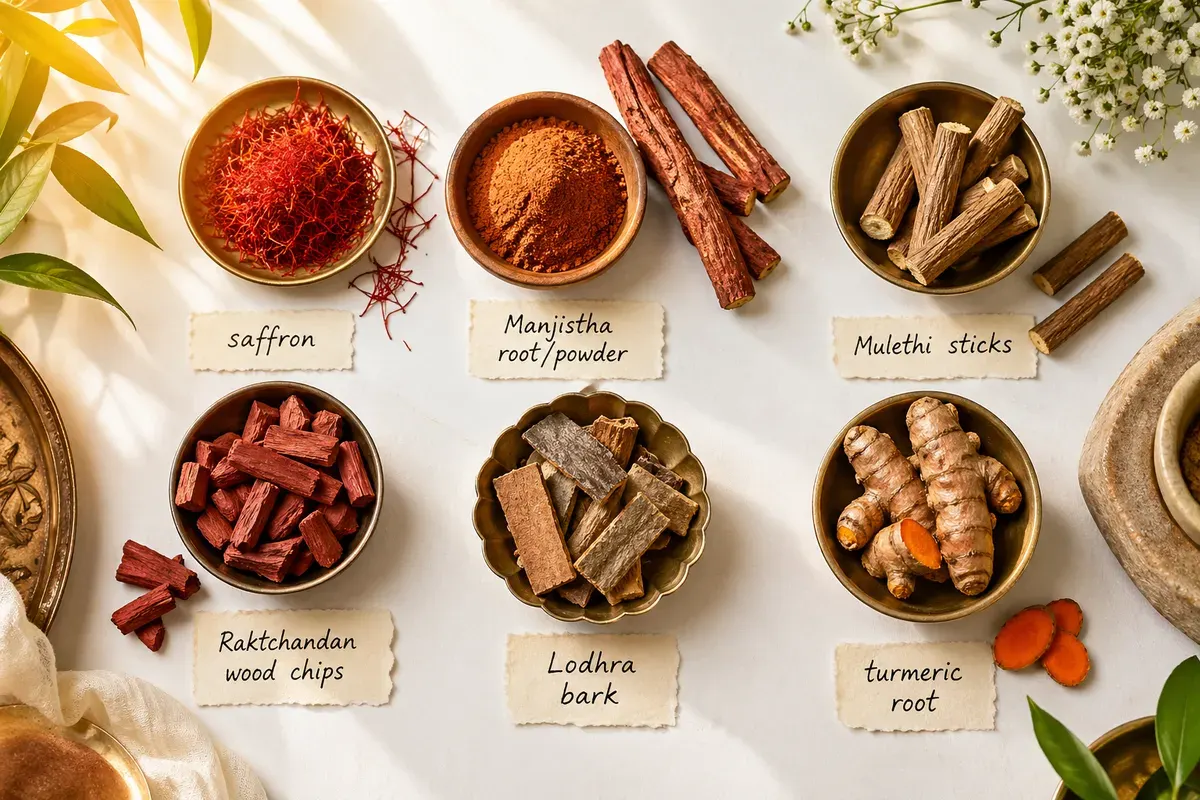
Rather than bleaching the mark off the top, the classical approach calms the skin's tendency to over-pigment. It cools Pitta (the heat principle), supports the Rakta dhatu or blood tissue, and lets the skin even out on its own terms. For young skin that is still finding its balance, this is a kinder path than the strong acids that can irritate and, ironically, leave more marks.
A simple two-step for marks
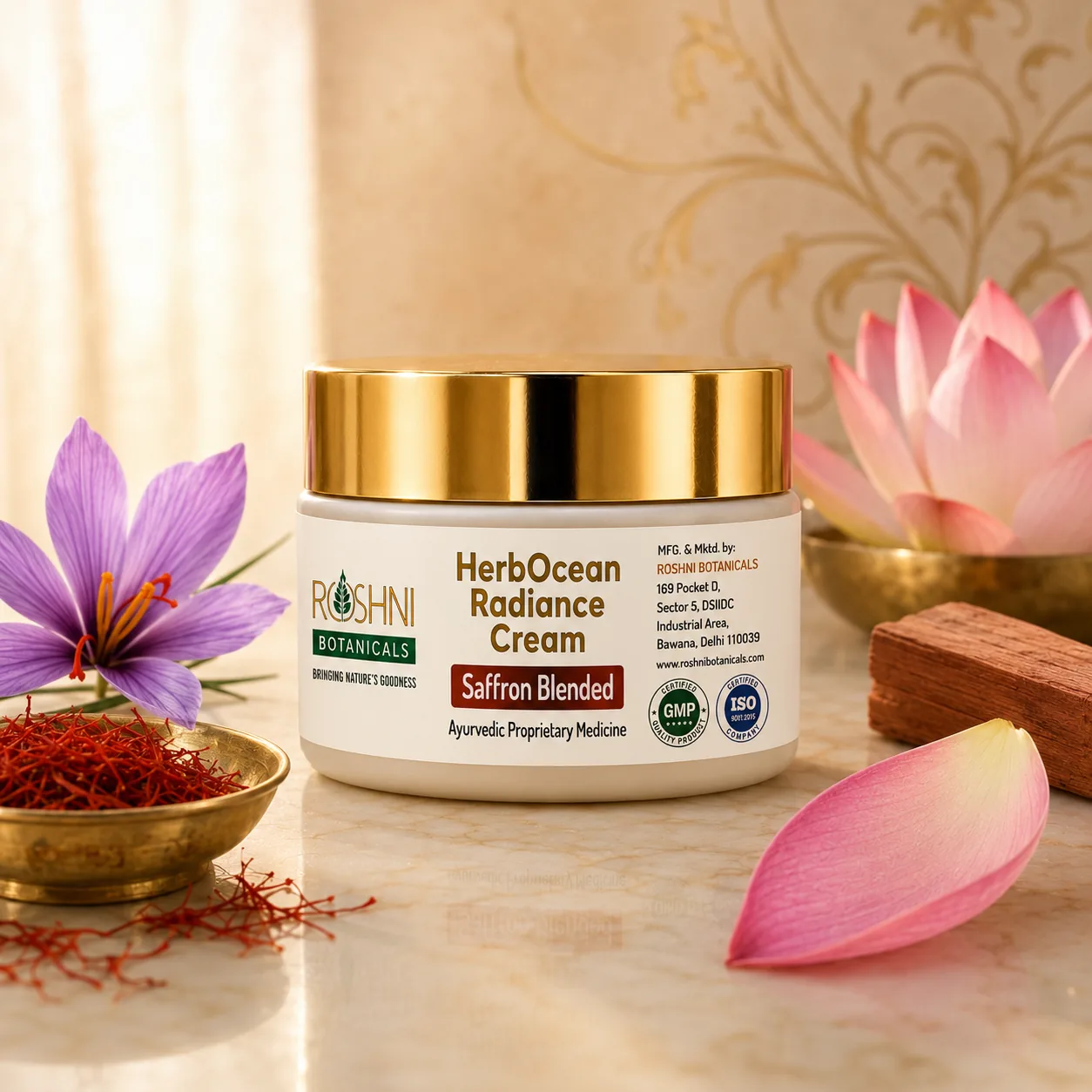
At night, a few drops of HerbOcean Radiance Tailam, with Manjistha, turmeric, sandalwood and saffron in a sesame base, massaged into the marked areas. By day, the lighter Radiance Cream to soothe and protect. Both respect the skin barrier and avoid bleaching or harsh exfoliation, which is exactly what young skin needs.
How long marks actually take to fade
It helps to know what you are waiting for. The flat brown mark left after a pimple sits in the upper layers of the skin, and the skin replaces those layers on its own schedule: a surface cycle takes roughly four to six weeks, and a mark usually needs several cycles before it blends away. Recent marks, the ones under two or three months old, respond fastest. Older marks fade too, just more slowly, because the pigment has had time to settle deeper.
Three things stretch that timeline out. Sun exposure is the biggest: UV keeps the pigment cells switched on, so an unprotected mark keeps getting topped up even as it tries to fade. Picking and scrubbing come second, since every fresh round of trauma restarts the clock. The third is harsh actives used in a hurry, which irritate young skin and can deepen the very pigmentation they promised to remove. On melanin-rich skin, patience plus protection beats aggression almost every time.
School, sport and sun: a routine that survives real life
A teenager’s day is not a skincare-friendly place. There is sweat from games period, helmets and school-bus dust, oily canteen snacks, and exam weeks that wreck sleep. The routine has to be small enough to survive all of it. Morning: a gentle, non-stripping cleanse, then sunscreen, the one non-negotiable step for fading marks. Evening: cleanse again to clear the day’s sweat and sunscreen, then the night step on the marked areas. That is the whole programme; anything longer tends to get abandoned by the second week.
Two India-specific notes earn their place here. In the humid months, sweat sitting under a school-uniform collar or a sports bib keeps skin congested, so a quick face rinse after games genuinely helps. And if your home runs on hard water, as most metro supplies do, the mineral load can leave skin tight and flaky after washing; a softer cleanser and a light moisturiser stop the dryness that tempts skin to over-produce oil.
What you eat shows up, slowly
No single food causes acne, but the pattern of eating shifts the terrain. The links with the most evidence behind them are dairy in large daily amounts and high-sugar snacking, both of which nudge the hormonal signals that drive teenage breakouts. Ayurveda reads the same picture through Agni (the digestive fire): late, heavy dinners and constant snacking leave digestion smouldering, and the skin reports it. None of this calls for a punishing diet. Earlier dinners, water through the day, and trading one fizzy drink for buttermilk is the unglamorous version that actually sticks.
Marks on deeper skin tones: why gentle wins
On melanin-rich Indian skin the pigment cells are simply more responsive. That is why the same pimple that vanishes without trace on lighter skin can leave a stubborn brown shadow here, and why aggressive peels and scrubs so often backfire into fresh pigmentation of their own making. The classical herbs in this routine, manjistha and saffron among them, are traditionally used precisely because they work with that sensitivity rather than against it, calming the tendency to over-pigment instead of stripping the surface. Slower, yes. Kinder, certainly, and on young skin the kinder route usually turns out to be the shorter one.
The two rules that matter most
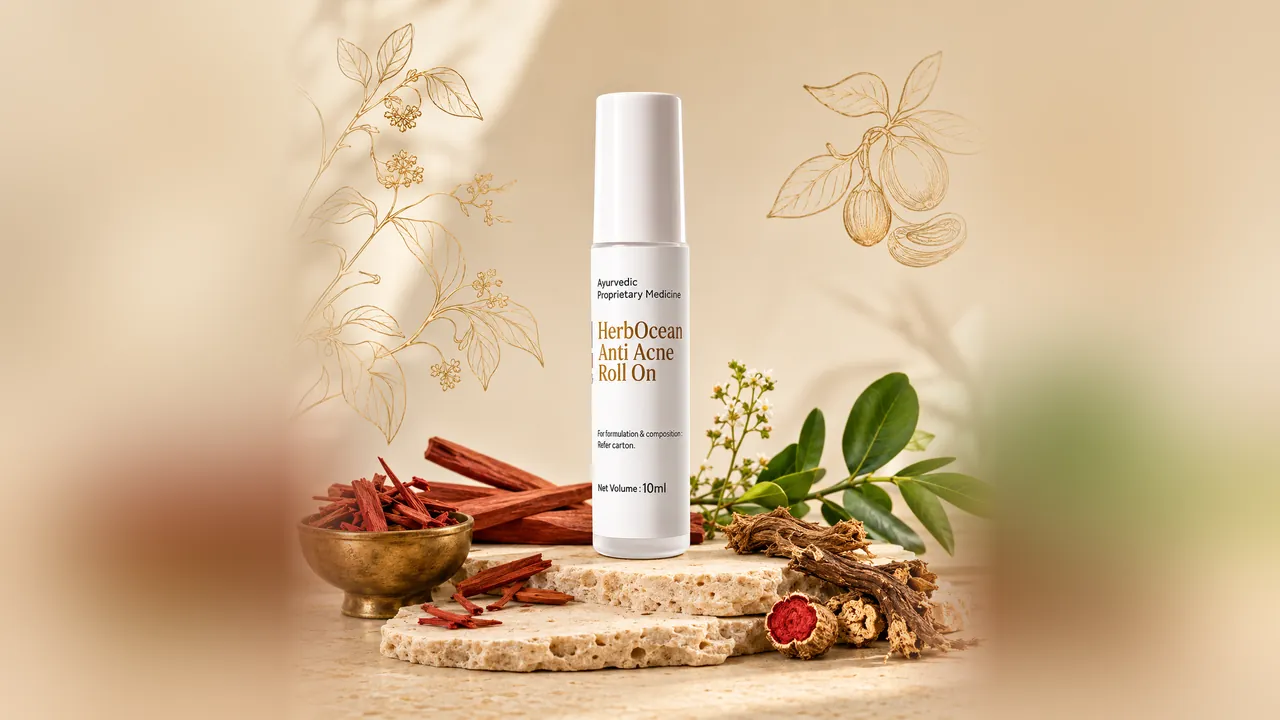
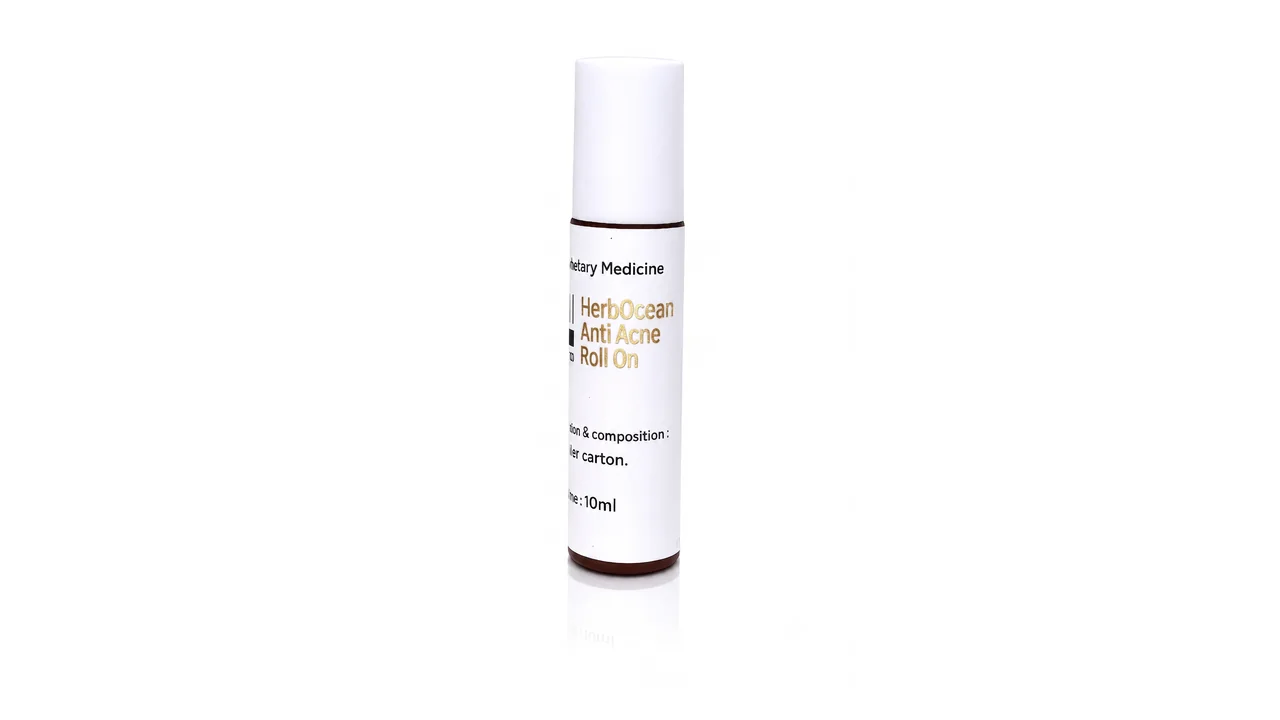
Do not pick, because every bit of extra trauma invites a fresh mark, and wear sun protection, because UV deepens PIH and drags it out for months. If the acne itself is active, a gentle spot routine helps prevent the next round of marks. A dab of HerbOcean Anti-Acne Roll-On on the spot is one option, and our guide to the ayurvedic treatment for acne covers the rest. For the colour-by-colour breakdown of marks, see brown versus red marks. Persistent or cystic acne, or anything that scars deeply, is worth a dermatologist's visit.
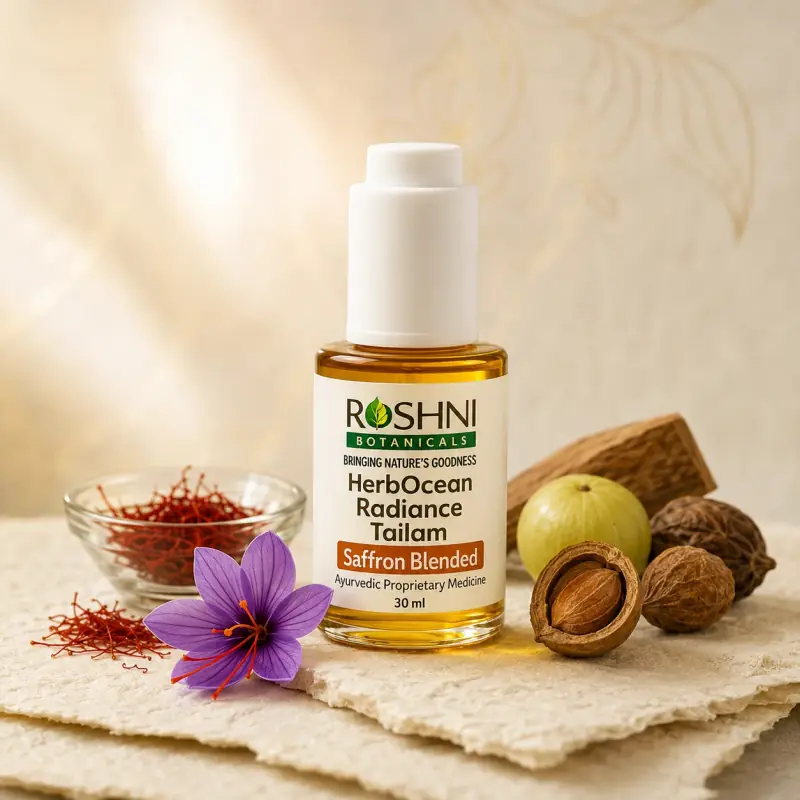
Radiance Tailam
A saffron brightening facial Taila with Manjistha and red sandalwood, traditionally used to support even tone where melasma, dark spots and PIH show.
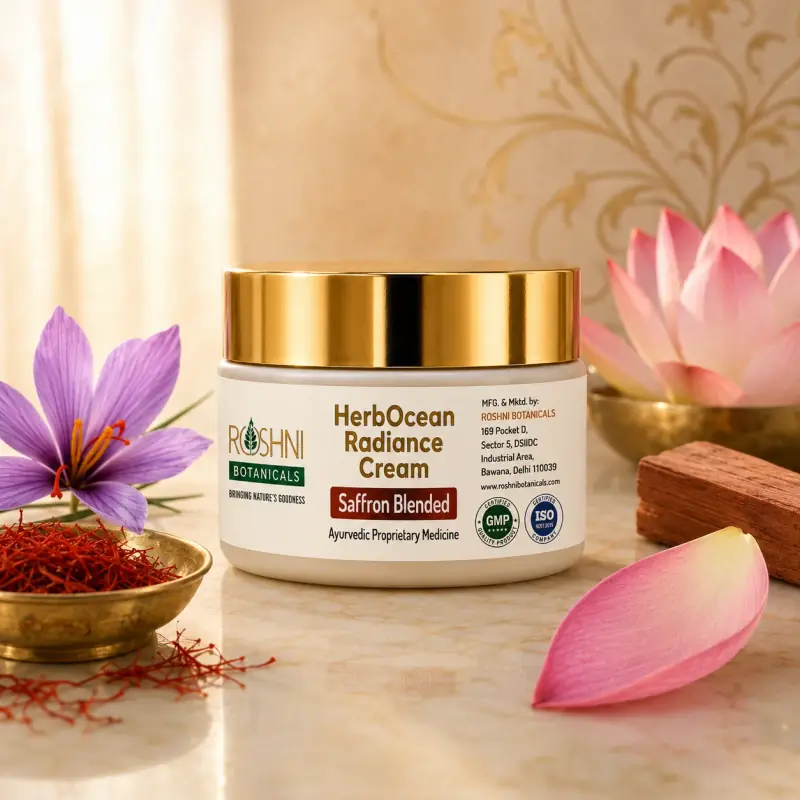
Radiance Cream
A daily saffron and sandalwood brightening cream with Manjistha, red sandalwood and lotus in a light coconut base. Supports a luminous, even-looking skin tone.
Part of our guide: Ayurvedic treatment for melasma on Indian skin.