Brown Marks vs Red Marks: An Ayurvedic Guide to PIH and PIE
The mark a pimple leaves behind is not always the same colour, and the colour tells you how to handle it. A practical Ayurvedic read on brown versus red.
A breakout heals and leaves something behind, but look closely, because it is not always the same thing. Some marks are brown; some are pink or red. People lump them together as "acne scars" and reach for the same product, then wonder why only half of it fades. Marks are the aftermath, so if spots are still appearing, our complete guide to ayurvedic treatment for acne is the place to begin. The colour is the clue, and Ayurveda read it correctly long before anyone coined the acronyms.
Two different marks, two different stories
The brown ones are post-inflammatory hyperpigmentation, or PIH: extra melanin laid down after the skin was inflamed. On melanin-rich Indian skin this is by far the more common aftermath, because our skin is generous with pigment, which is wonderful for sun resilience and frustrating after a spot. The pink-red ones are post-inflammatory erythema, or PIE, which is not pigment at all but small, dilated blood vessels and lingering inflammation showing through. They behave differently, and they need different care. Neither is the same as a true scar, a difference we set out in acne scars versus acne marks.
How Ayurveda frames the difference
In classical terms, the brown marks sit with Pitta and the Rakta dhatu, heat and blood, the pigment-making machinery running hot. The red marks are more about heat and irritation that has not yet settled. The instinct follows naturally: cool and clarify the brown, soothe and calm the red. It is a tidy framework that happens to match what dermatology now describes.
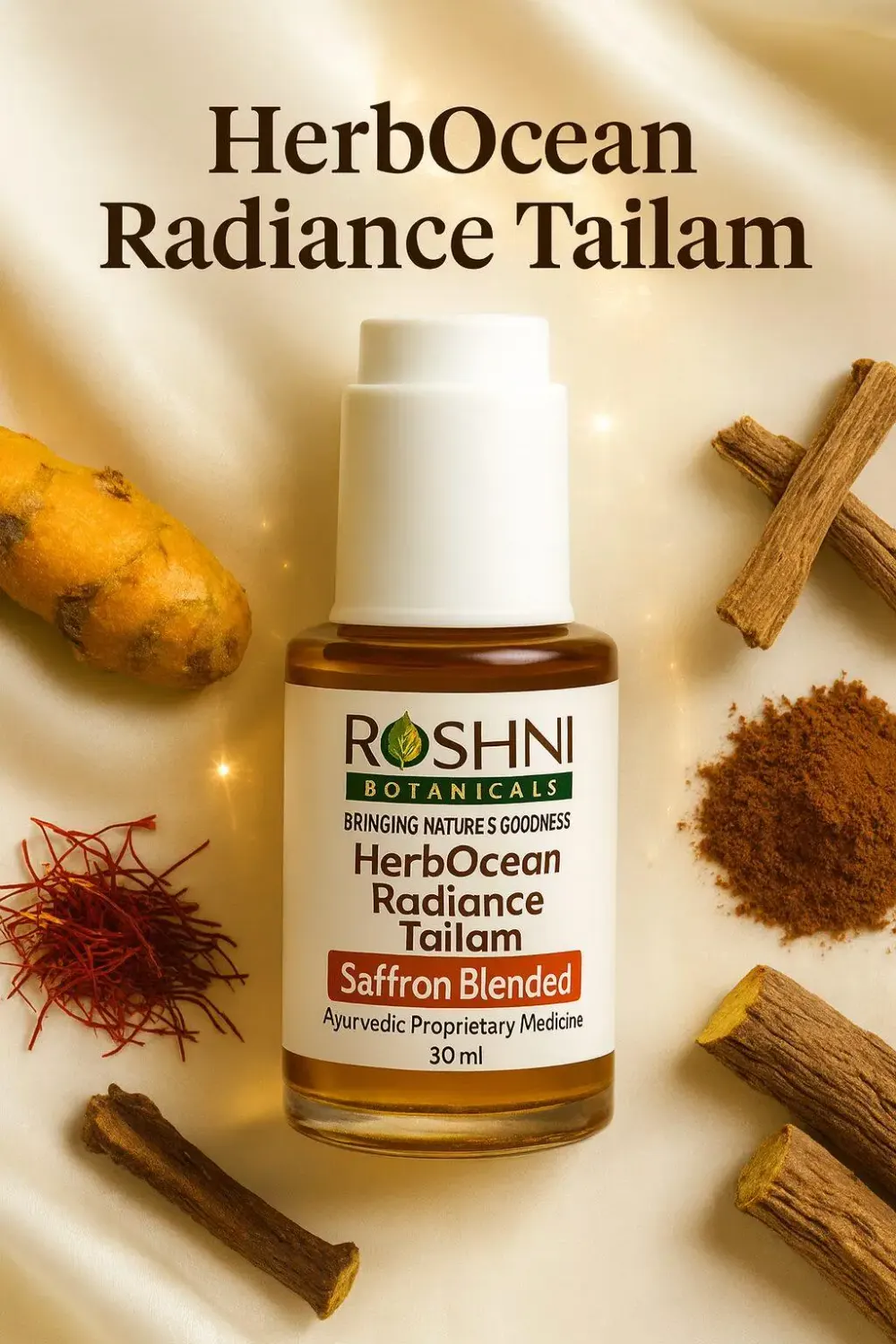
For brown marks: HerbOcean Radiance Tailam at night
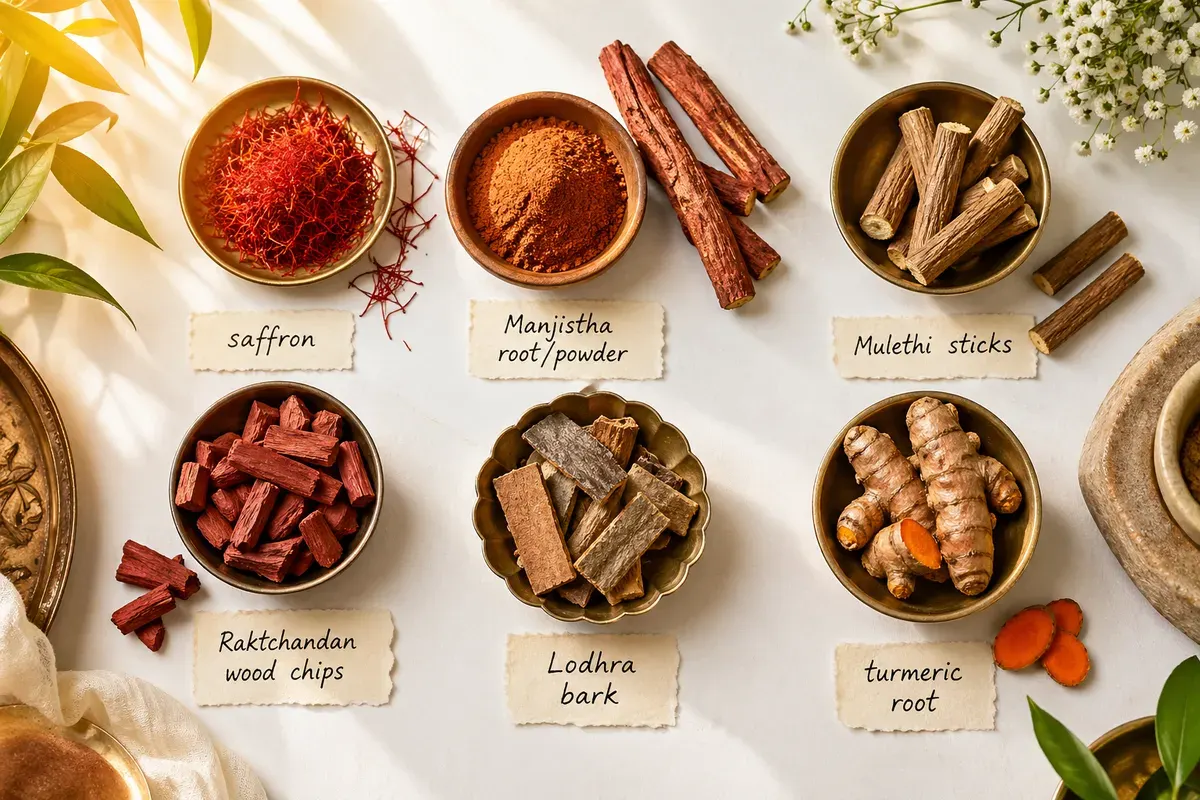
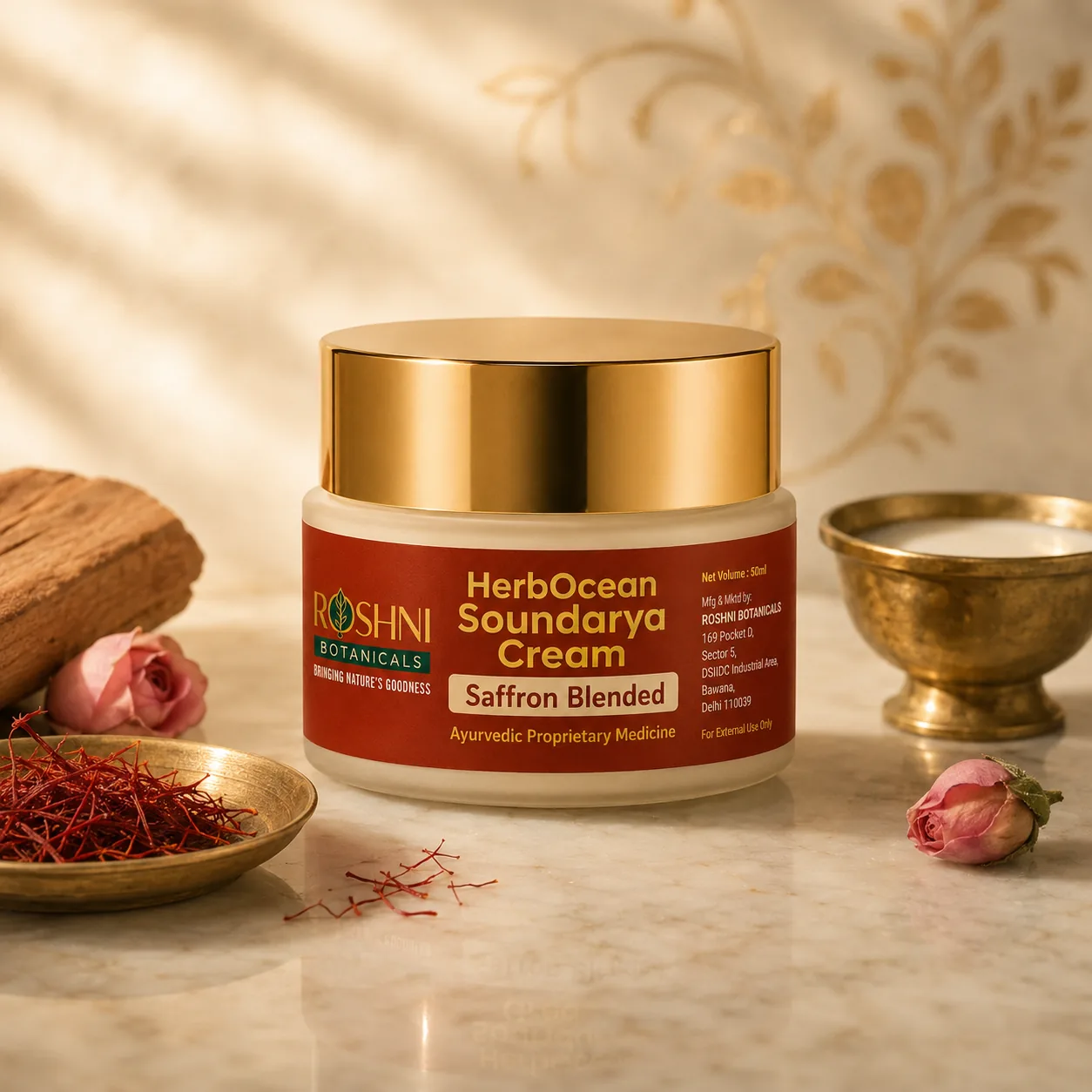
Brown PIH responds to patient, cooling, complexion-supporting herbs. HerbOcean Radiance Tailam is built around them: saffron (Kesar), Manjistha, turmeric (Haldi), sandalwood and the Triphala trio in a sesame Taila. Worn overnight, it is classically indicated for the care of dark spots and Vyanga, working with the skin over several weeks to even the tone. HerbOcean Soundarya Cream from the same range is also traditionally used in the care of post-acne marks.
For red marks: HerbOcean Radiance Cream by day
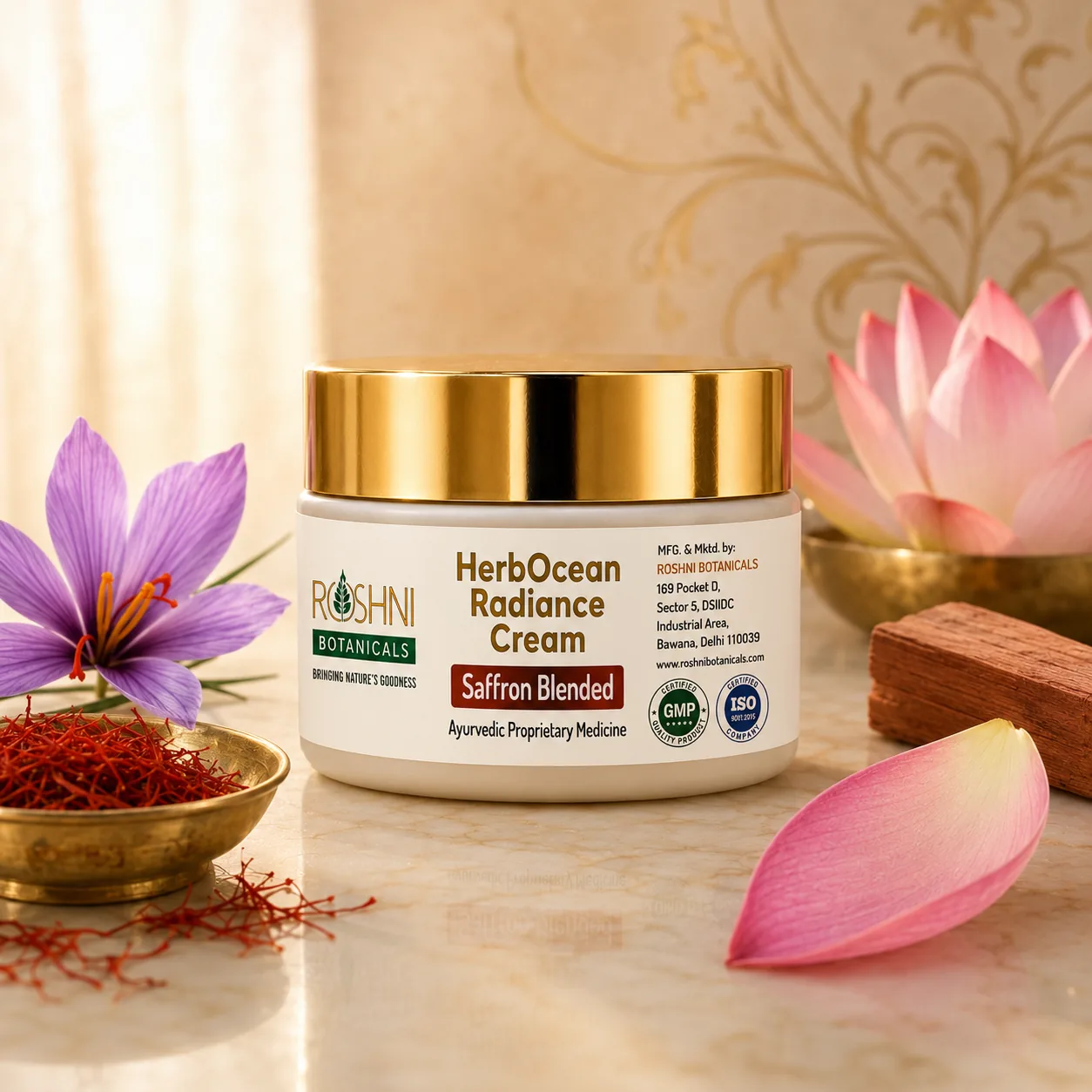
Red PIE wants calming and a barrier that is not constantly being provoked. HerbOcean Radiance Cream, with turmeric, manjistha, sandalwood and lotus in a coconut base, works as the daytime layer, soothing residual heat while it hydrates. Many people use both, the cream by day and the oil by night. They are designed to sit together.
The part no product can do for you
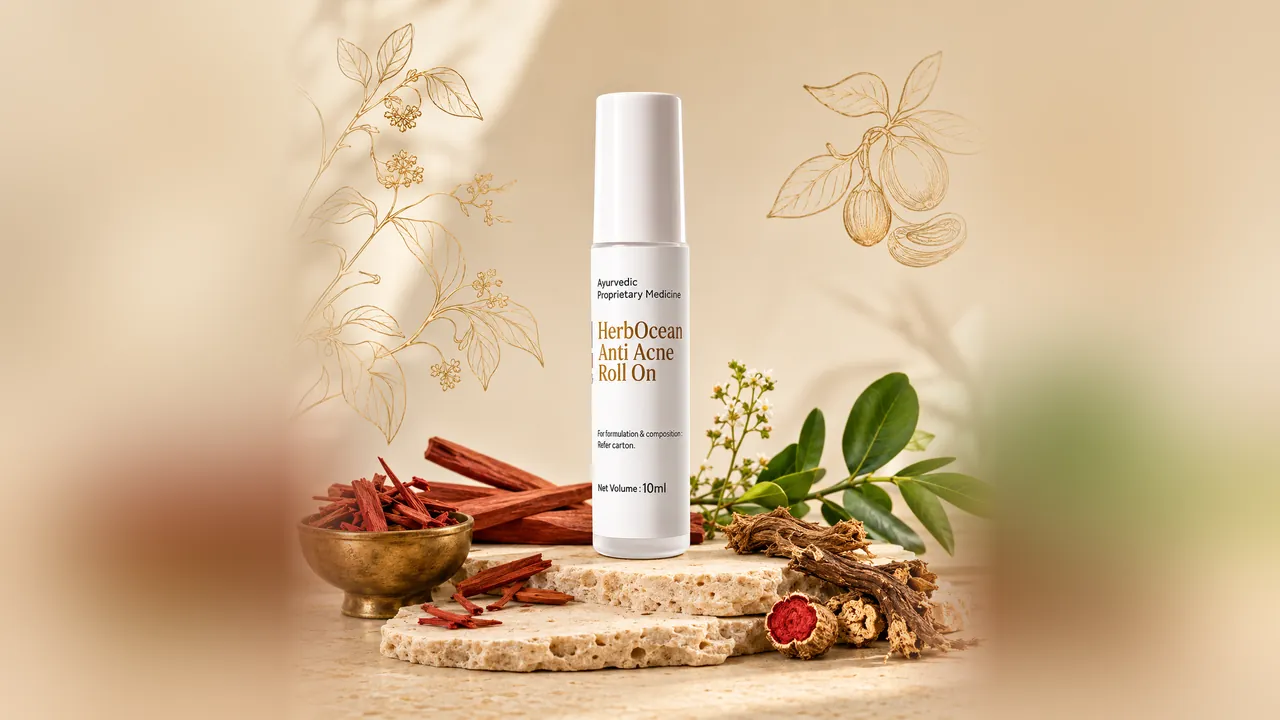
Sun protection. Both marks deepen and linger with UV exposure, and PIH especially can be dragged out for months by a few unprotected afternoons. In Indian sun, shade, a hat and daily sunscreen are not optional extras; they are half the work. And resist the urge to pick, because every bit of extra trauma is a fresh invitation for the skin to lay down more pigment. For an active spot before it leaves a mark, the HerbOcean Anti-Acne Roll-On is classically indicated for acne and pimples (Yuvanpidika, the classical Ayurvedic term for acne). If a mark is not budging after a couple of months of honest, consistent care, a dermatologist can tell you whether it is truly PIH, PIE, or something else. For the wider picture, see our guide to dark spots versus pigmentation.
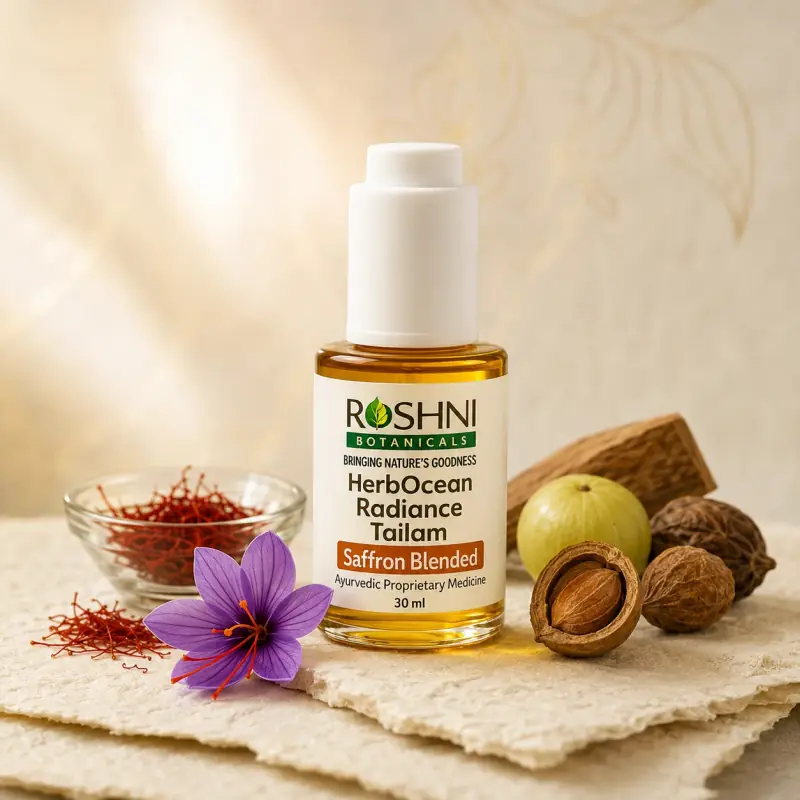
Radiance Tailam
A saffron brightening facial Taila with Manjistha and red sandalwood, traditionally used to support even tone where melasma, dark spots and PIH show.
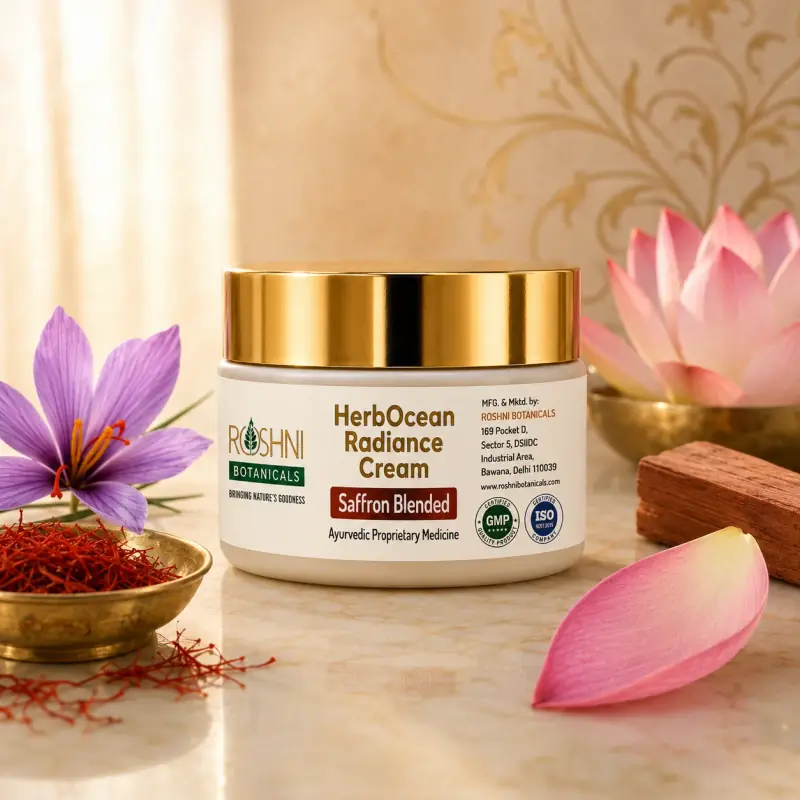
Radiance Cream
A daily saffron and sandalwood brightening cream with Manjistha, red sandalwood and lotus in a light coconut base. Supports a luminous, even-looking skin tone.
Part of our guide: Ayurvedic treatment for melasma on Indian skin.