Do Face Oils Clog Pores? An Honest Barrier-Repair Answer
The fear that oil equals acne is half-right and half-myth. What actually matters is which oil, how much, and what your barrier is doing.
Tell most people you put oil on your face and you will get a wince. The fear is understandable, because we grew up associating oily skin with breakouts, so oil-on-purpose feels like asking for trouble. The truth is more interesting and more useful: whether an oil helps or harms depends almost entirely on which oil, how much, and the state of your skin barrier when you apply it.
What actually clogs a pore
A clogged pore is dead skin and hardened sebum jammed in a follicle. Heavy, occlusive oils that just sit on the surface can contribute to that. Lighter, well-absorbed oils do something closer to the opposite: they help dissolve the hardened sebum and reinforce the skin's own lipid layer. The barrier itself is the key character here. Picture it as brick-and-mortar, skin cells set in fats. When that mortar is depleted, by harsh cleansers, hard water or over-exfoliation, the skin panics and overproduces oil, and that excess is what congests. A good oil repairs the mortar so the skin stops overcompensating.
The Ayurvedic reading: balance, not blockage
Classical skincare never saw oil as the enemy. Congestion, in the Ayurvedic frame, comes from Pitta and Kapha imbalance, heat and heaviness, not from nourishment itself. The right medicated oil is dosha-pacifying: it calms the inflammation and the overproduction at the root rather than smothering the surface. It is a different mental model, and on the evidence it is the more accurate one.
Why HerbOcean Soundarya Tailam behaves well on the skin
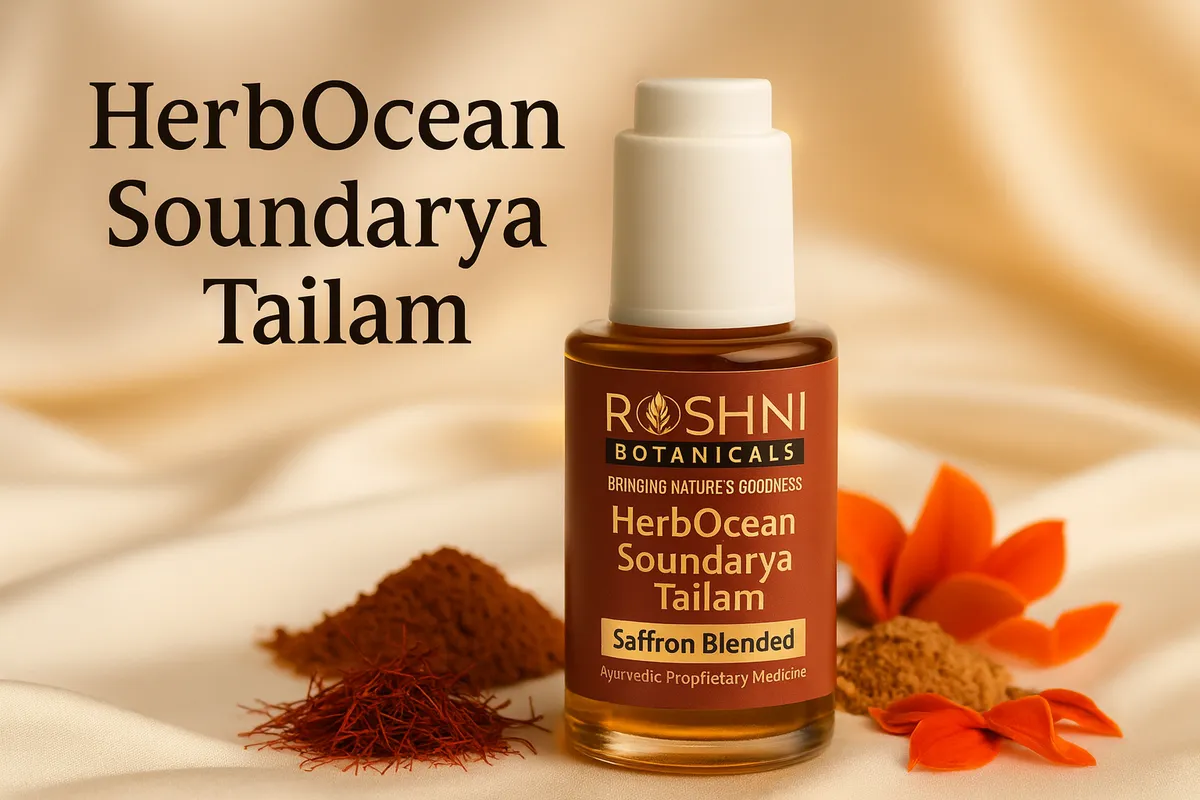
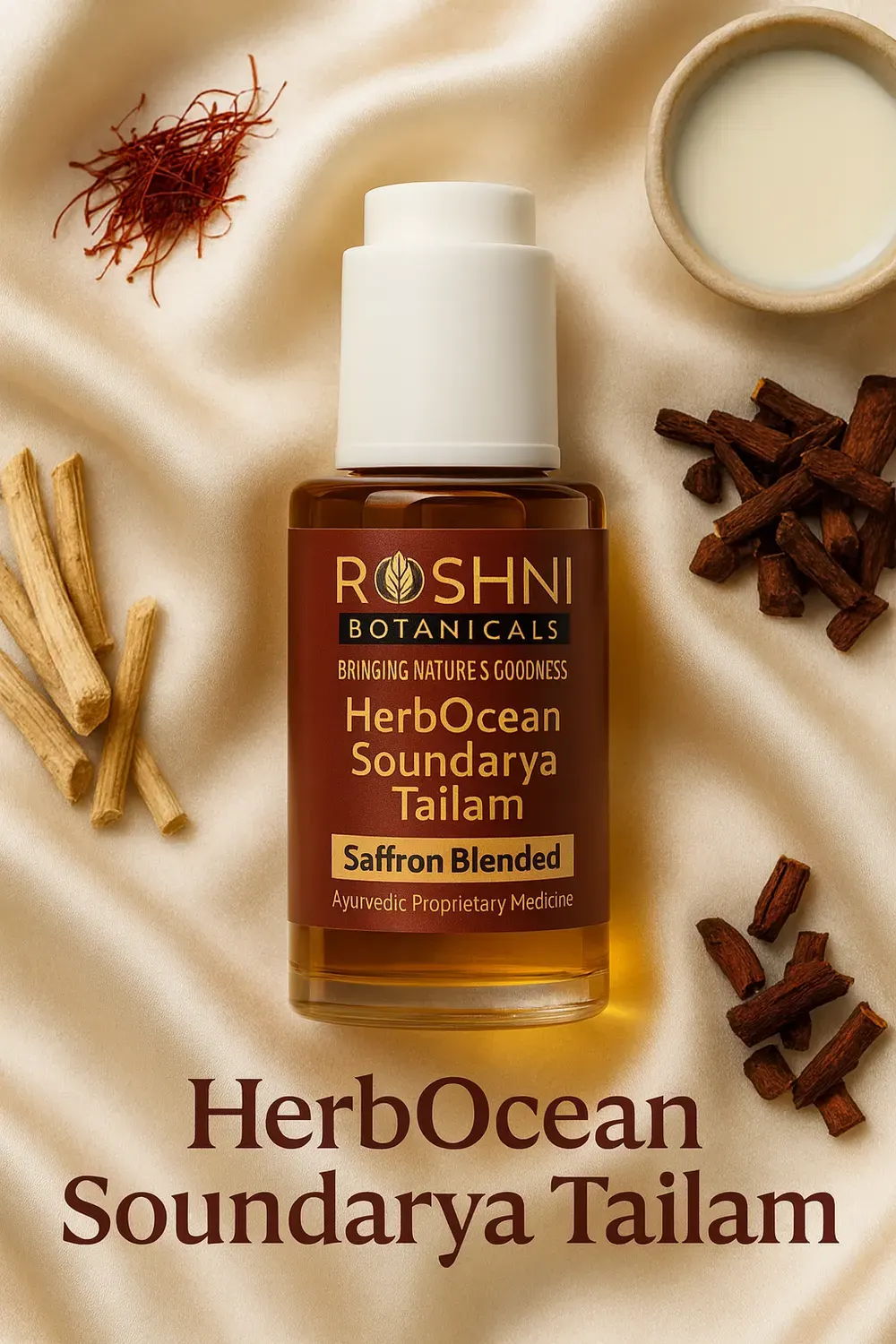
HerbOcean Soundarya Tailam is a light, fast-absorbing repair oil rather than a heavy slick. Built in the goat-milk Kshira-paka tradition, it carries Manjistha, Mulethi (licorice), red sandalwood and saffron in a sesame base, herbs traditionally used to calm inflammation and support the barrier. It is free of mineral oil and silicones, and used in the small amounts an oil is meant for, it tends to sit well even on combination and acne-prone skin.
How to use an oil so it helps
Less than you think. Two or three drops, warmed between the palms, pressed onto slightly damp skin with upward strokes, because damp skin helps a light oil absorb instead of pooling. Night is the natural time for it. A spritz of rose water first can help it spread thin. Avoid layering it thickly under heavy creams, and skip it on broken, actively weeping acne. Used this way, an oil is a barrier tool, not a barrier threat.
Who should and should not bother
Dry, mature and sensitive skin gain the most: nourishment and calm. Acne-prone skin can often benefit too, when the oil is light and used sparingly, because soothing the barrier reduces the reactive oil surge. The people who should be cautious are those with very oily, easily congested skin, who should patch-test and use the lightest hand. As ever, if your skin reacts, listen to it. For the cleansing-with-oil version of this idea, see our piece on Ayurvedic oil cleansing, or browse the Ayurvedic skincare range.
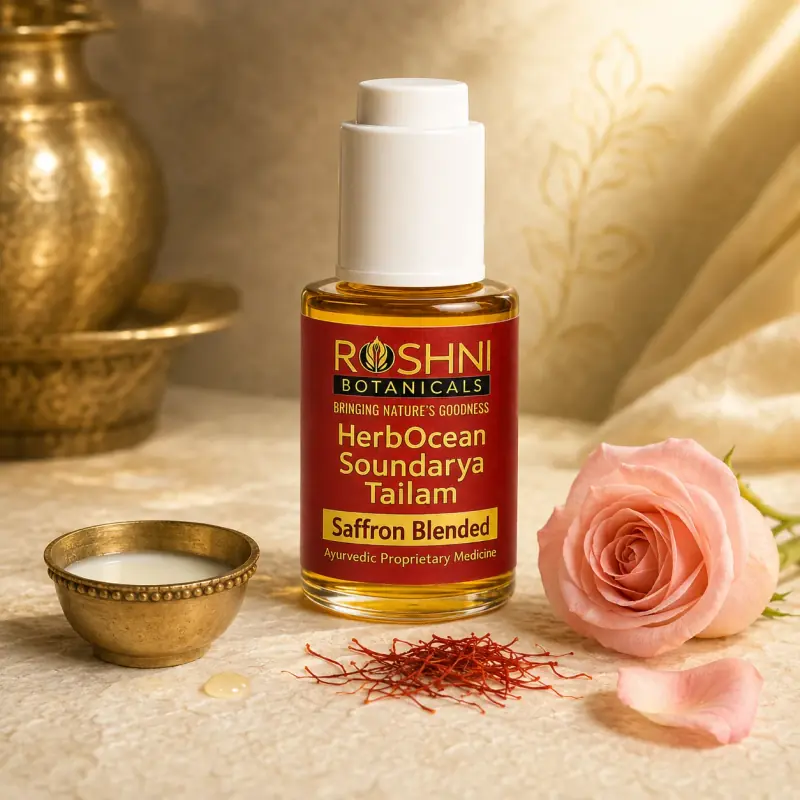
Soundarya Tailam
A saffron-infused facial Taila prepared in the goat-milk Kshira-paka tradition, with Manjistha, Mulethi and Kesar. For soft, bright, even skin.
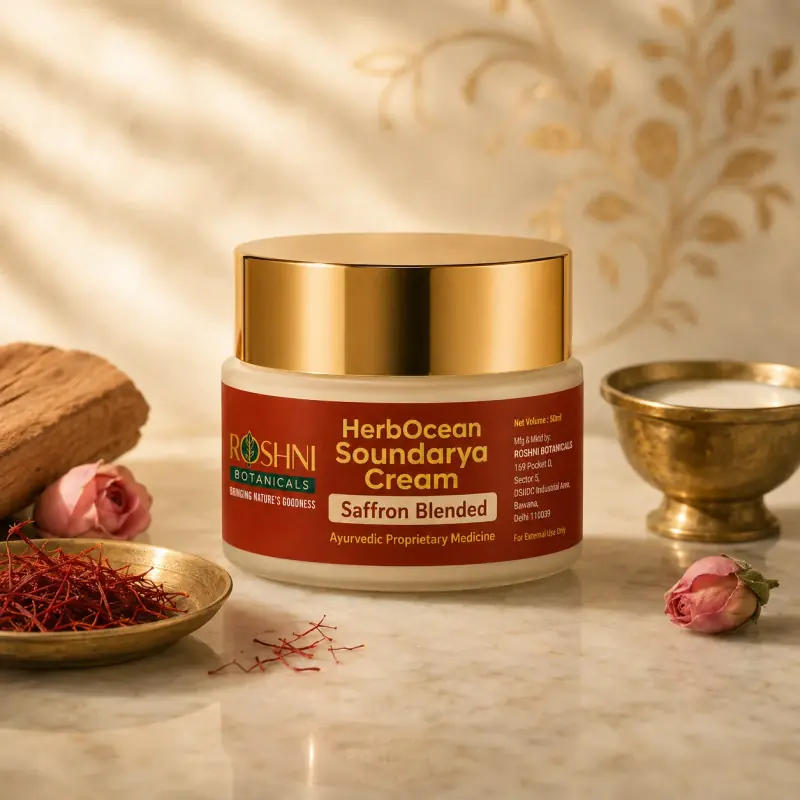
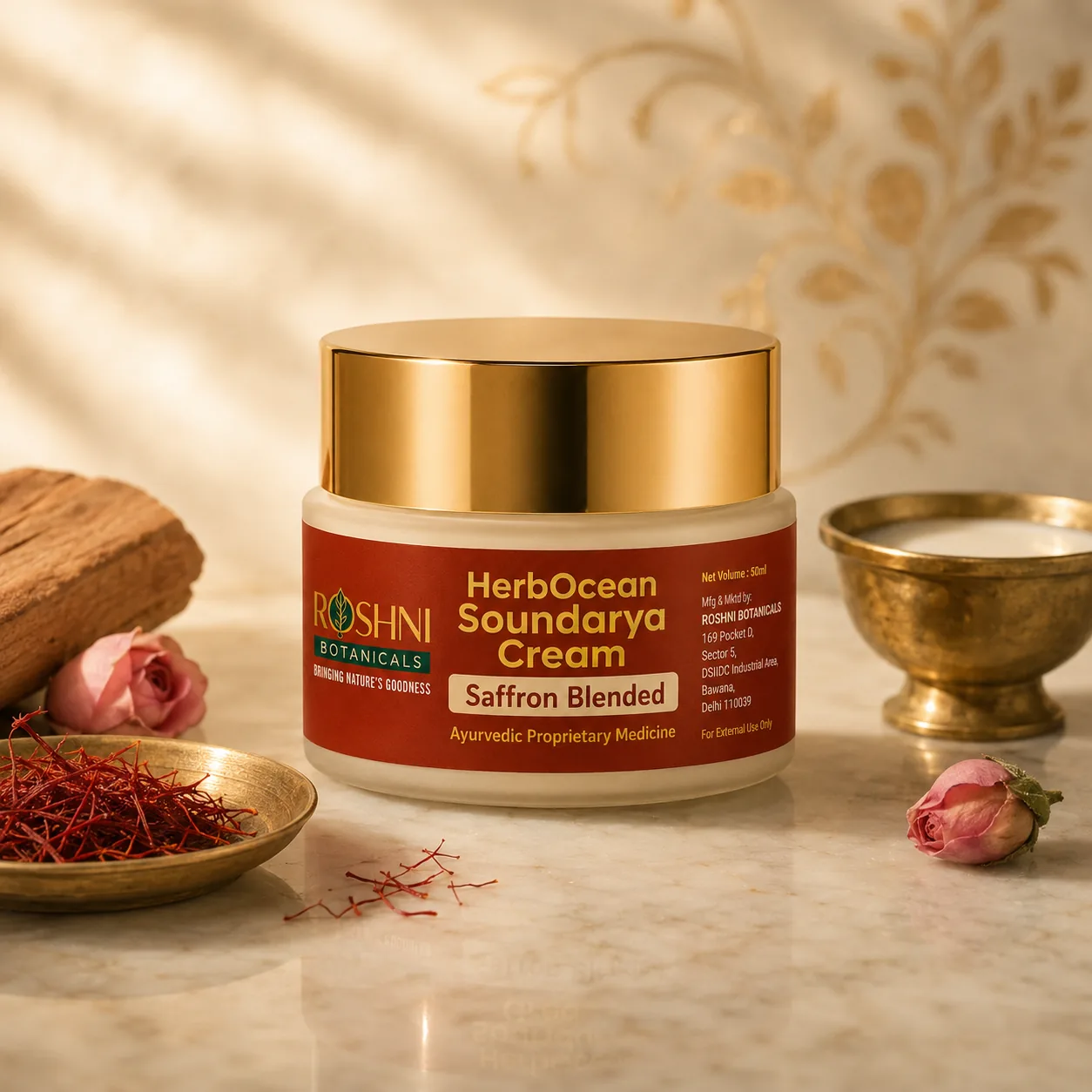
Soundarya Cream
A rich saffron brightening and repair cream with bargad (Vatt) bark on a goat-milk and coconut base, with shea and kokum butters, traditionally used in the care of skin where post-acne marks (PIH) linger.