Radiance Cream for Hyperpigmentation Care on Indian Skin
Hyperpigmentation on Indian skin needs a calm, daily approach. How a Triphala-led Ayurvedic cream supports an even tone over time.
Hyperpigmentation is the umbrella term for skin that has made more pigment than it needs in some places: melasma patches, the marks left by acne, sun-deepened areas. On melanin-rich Indian skin it is common, and it is rarely solved by force. The skin that pigments easily also irritates easily, and irritation feeds more pigment.
The calm-first principle
Classical Ayurveda reads pigmentation as an aggravated bhrajaka pitta (the sub-dosha governing skin colour). The instinct is to cool and calm rather than to strip and scrub. That principle fits the science of melanin-rich skin neatly: less inflammation means less post-inflammatory hyperpigmentation (PIH). For the wider picture, our handbook on melasma for Indian skin is the place to go deeper.
What the cream contributes
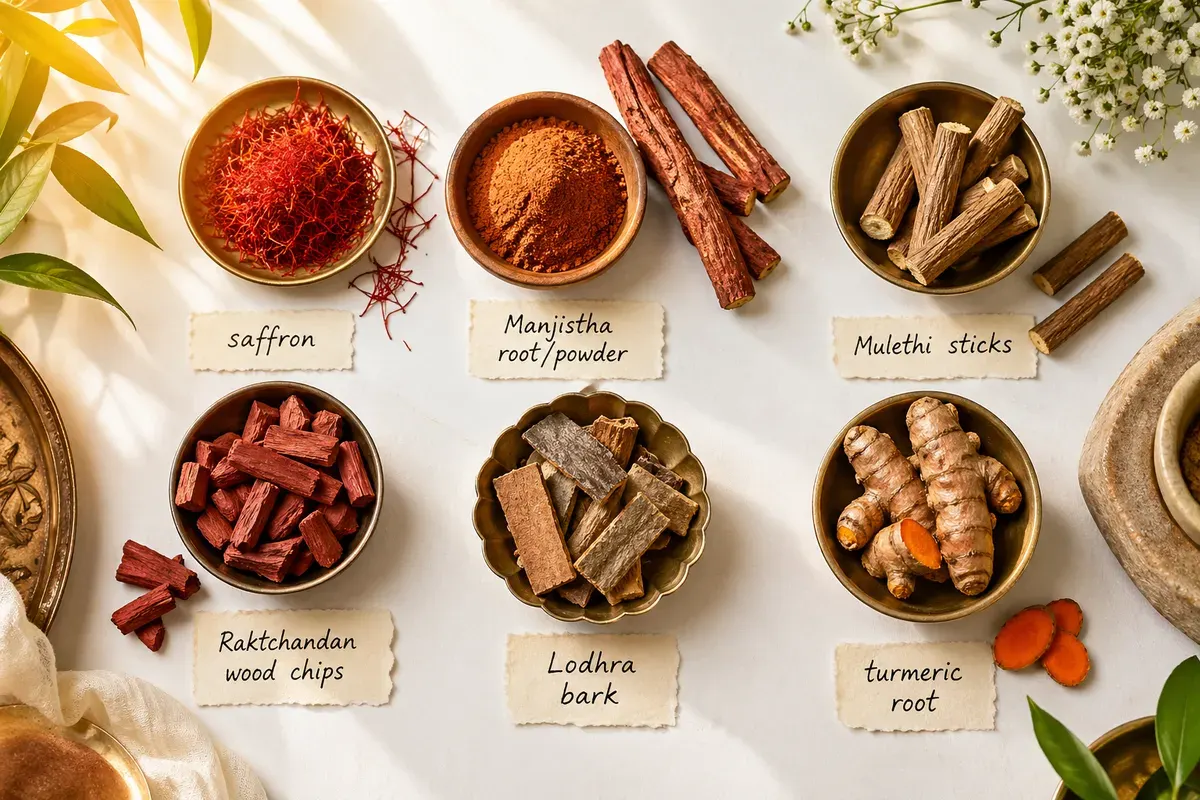
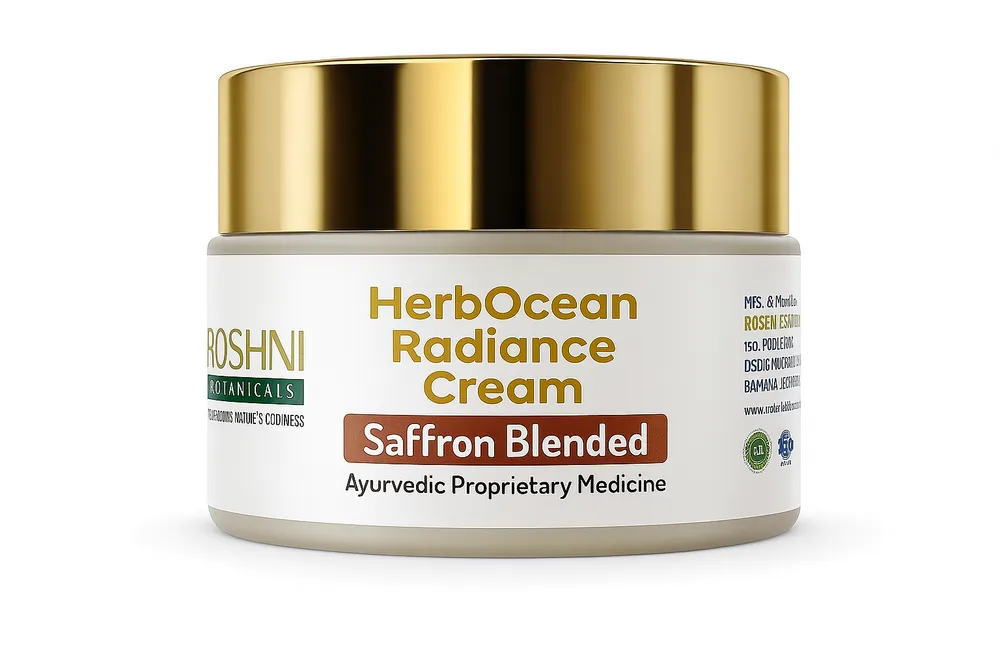
Radiance Cream is an Ayurvedic medicine classically indicated for the care of pigmentation and uneven tone. The Triphala trio of amla, baheda and harad supports renewal; white and red sandalwood are the cooling pair; Manjistha and turmeric support evenness; lotus soothes. It supports a more even-looking complexion and helps fade marks gradually. It does not bleach the skin and it makes no promise to erase pigment, which is the honest position for any topical medicine.
The daily routine that makes it work
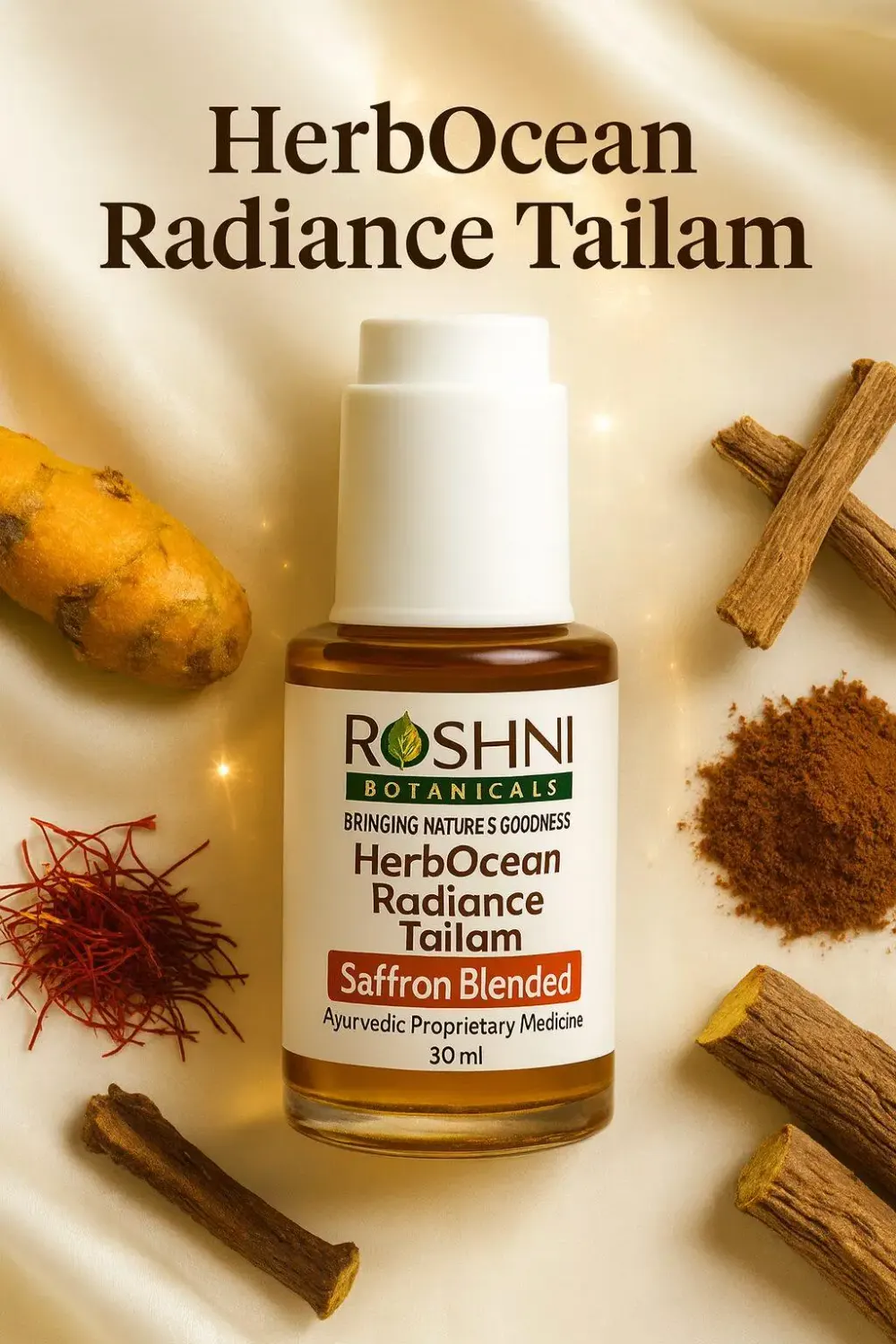
Apply a thin layer at night on clean skin. Every morning, broad-spectrum sunscreen, reapplied outdoors. This single habit decides whether pigmentation fades or keeps returning, because sun re-darkens the very areas you are working on. For a richer night option in winter, pair with the Radiance Tailam.
Patch-test this external-use medicine first, and give any approach eight to twelve weeks. Some pigmentation, melasma in particular, sits deep and needs a tailored plan; if patches appear suddenly, spread, or do not respond after careful care, see a dermatologist.