Beyond the Blemish: An Ayurvedic Guide to Hyperpigmentation
Hyperpigmentation has many faces: melasma, PIH, sun spots. An Ayurvedic guide to telling them apart and caring for each on Indian skin.
Hyperpigmentation is a single word for several different stories. The patch across your cheeks after a pregnancy is not the same as the brown mark a pimple left behind, and neither is the same as the tan that deepens every summer. Ayurveda has long read these as variations on one theme: an aggravated bhrajaka pitta, the sub-dosha that governs skin colour and lustre.
The common types on Indian skin
Melasma (Vyanga in classical texts) shows up as symmetrical patches, often on the cheeks and forehead, linked to hormones and sun. Post-inflammatory hyperpigmentation (PIH) is the mark left after acne, an injury or irritation, and it is especially common on melanin-rich skin. Sun-induced pigmentation deepens with exposure and is the easiest to prevent. Telling them apart matters, because they fade at different speeds and respond to different routines. Our dark spots versus pigmentation piece is a good companion here.
Why Indian skin marks readily
More melanin means more readily triggered pigment cells. Add strong year-round sun, humidity, and the habit of attacking marks with harsh scrubs and strong actives, and you have skin that marks easily and holds those marks. The Ayurvedic instinct is the opposite of aggression: calm the inflammation, support rakta shodhana (blood purification), protect the barrier, and let pigment settle over time.
How the Radiance line fits
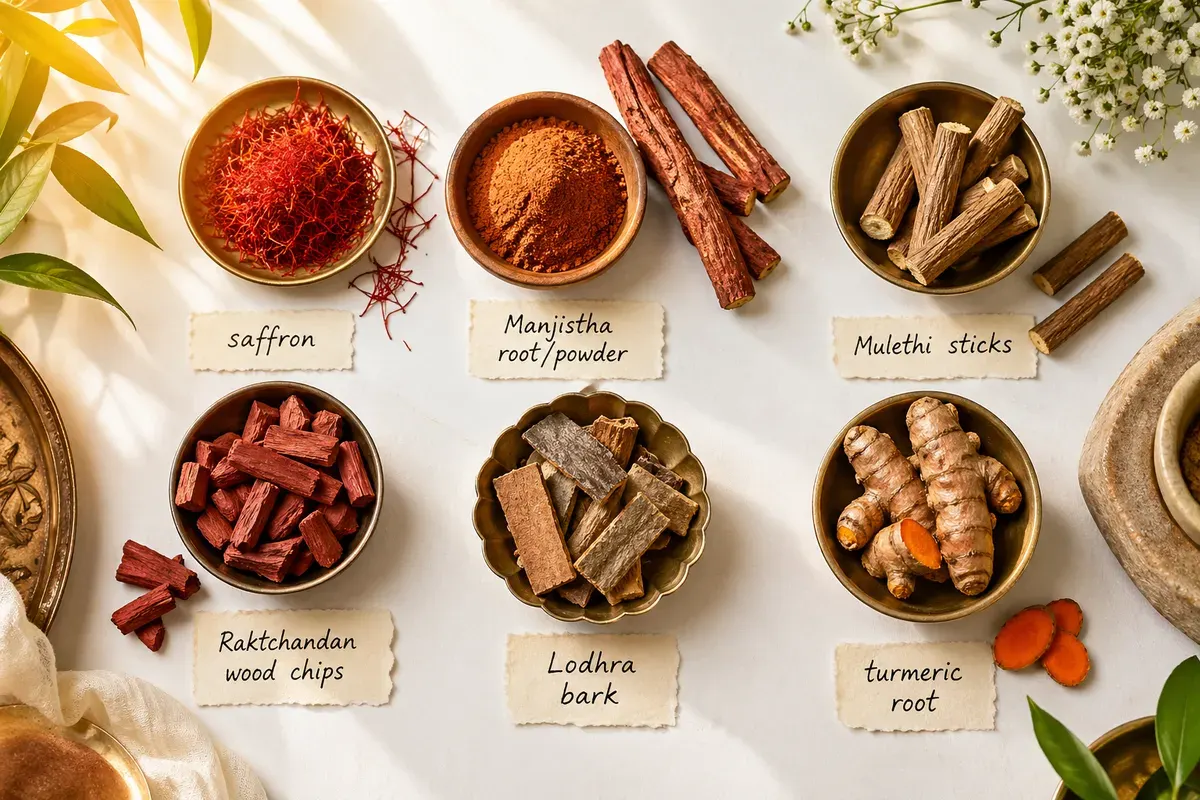
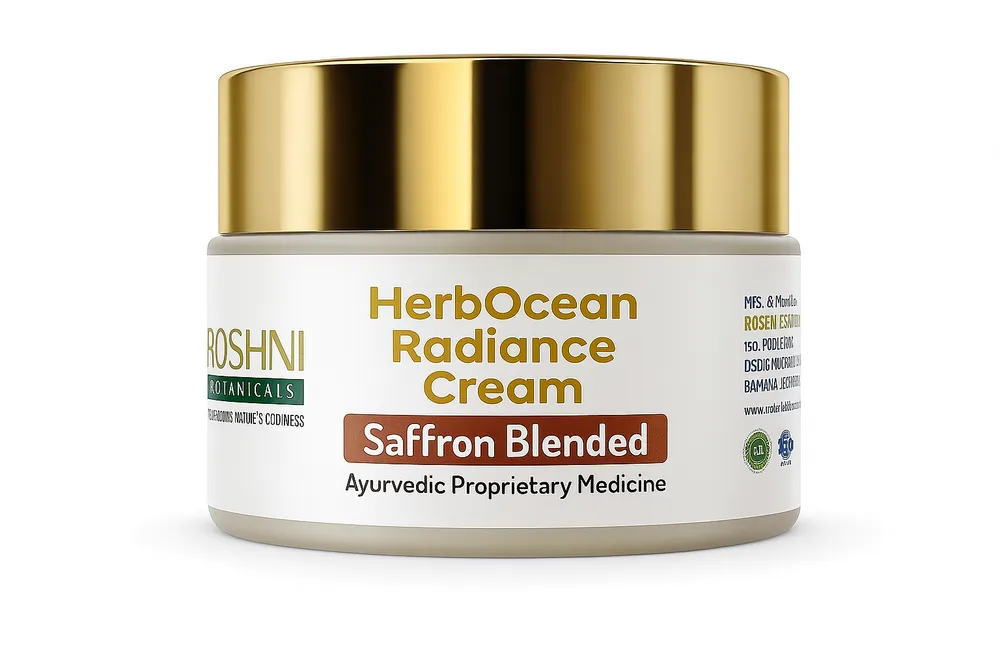
For everyday care, Radiance Cream brings Triphala, sandalwood, turmeric, manjistha and lotus to support an even tone. For a weekly ritual, the Radiance Lepa (a classical medicated paste applied externally) draws on red sandalwood, manjistha, barley, lotus and jujube. Both are Ayurvedic medicines classically indicated for the care of pigmentation, not a way to erase it. For the deeper dive on patches specifically, see our handbook on melasma for Indian skin.
The non-negotiables
Whatever you apply, two habits decide the outcome: daily broad-spectrum sunscreen, and patience measured in months. Patch-test external-use medicines first. And see a dermatologist if patches appear suddenly, spread quickly, or do not budge after careful, consistent care, since melasma and a few pigment disorders need professional assessment.