
🌟 Key Takeaways
- Pollution + Skin = Oxidative Stress → dullness, wrinkles, premature aging.
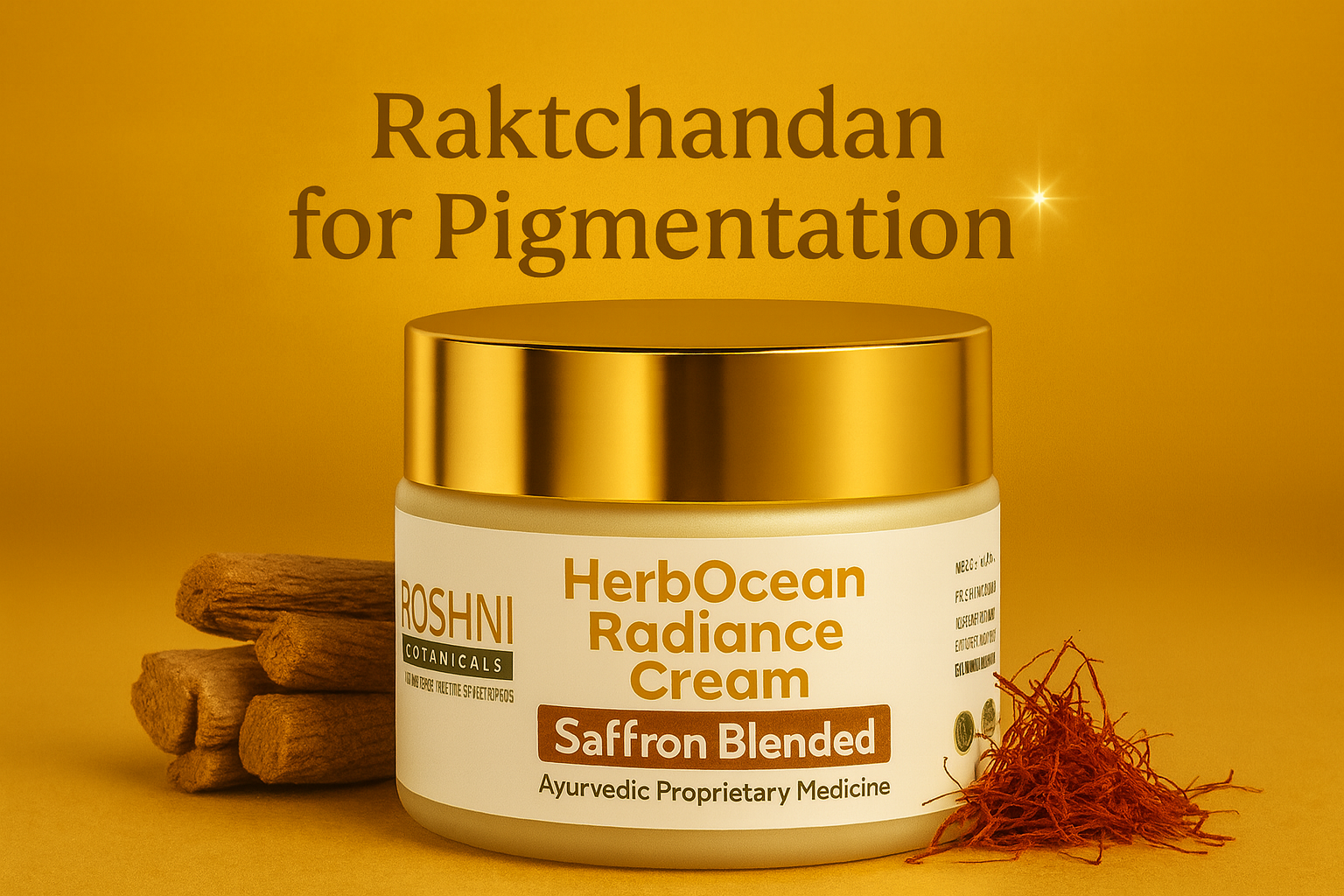
- HerbOcean Radiance Cream is powered by Ayurvedic herbs: Turmeric, Amla, Licorice & Sandalwood.
- Each herb is backed by ancient Ayurveda + modern research.
- Daily use shields skin, boosts brightness, and fights environmental damage.
Why Urban Skin Needs Anti-Pollution Skincare
Life in the city means constant exposure to smog, dust, car exhaust, UV radiation, and microscopic pollutants. These trigger free radical production inside skin cells, leading to:
- Loss of elasticity and firmness
- Pigmentation and dark spots
- Fine lines appearing earlier
- Dull, lifeless skin
Ayurveda offers a natural defense system: antioxidant herbs that neutralize free radicals and restore balance.
🌿 The Ayurvedic Powerhouse Ingredients in HerbOcean Radiance Cream
1. Turmeric (Curcuma longa) – The Golden Shield
Turmeric, often called the “Golden Goddess” of Ayurveda, has been used for over 4,000 years for both medicinal and cosmetic purposes. Its most active compound, Curcumin, is a powerhouse of antioxidant, anti-inflammatory, and antimicrobial properties (Bhatt, 2024).
🔬 Modern Science on Turmeric & Pollution
Research shows that curcumin neutralizes free radicals, protecting skin cells from oxidative damage caused by UV rays, ozone, and particulate matter (Pathan, 2022). Free radicals break down collagen and trigger hyperpigmentation — turmeric helps prevent both.
✨ Benefits for Urban Skin
- Brightening: Reduces dark spots, evens skin tone.
- Anti-aging: Prevents collagen breakdown.
- Detoxifying: Fights buildup of toxins on skin surface.
- Healing: Calms inflammation caused by pollution and stress.
🌸 Traditional Wisdom
In Ayurveda, turmeric is applied before weddings as haldi paste to bring radiance. Its role as an Ubtan (herbal mask) shows how deeply ingrained it is in skin care rituals.
👉 In HerbOcean Radiance Cream: Turmeric acts as the first line of defense, guarding your skin against daily pollution exposure.
2. Amla (Emblica officinalis) – The Collagen Protector
Known as the Indian Gooseberry, Amla is one of the richest natural sources of Vitamin C and polyphenols. Ayurveda calls it a Rasayana (rejuvenator), prized for its ability to delay aging and restore vitality (Saini & Devi, 2021).
🔬 Modern Science on Amla & Skin Defense
Vitamin C from Amla boosts collagen synthesis, helping skin stay firm and elastic. Polyphenols protect against UV-induced oxidative stress and reduce pigmentation (Kumar & Subba, 2025).
✨ Benefits for Urban Skin
- Anti-photoaging: Guards skin from UV & smog damage.
- Firming: Stimulates collagen for tighter skin.
- Detox support: Flushes out toxins and reduces inflammation.
- Glow revival: Restores lost radiance caused by city stress.
🌸 Traditional Wisdom
In Ayurveda, Amla is considered a “Rasayana herb” — meaning it restores longevity and youthfulness. Traditionally consumed as Chyawanprash, it has also been used in skincare oils and masks.
👉 In HerbOcean Radiance Cream: Amla provides deep antioxidant protection, making skin more resilient against everyday stressors.
3. Licorice (Glycyrrhiza glabra) – The Natural Brightener
Licorice root, known as Yashtimadhu in Ayurveda, has been a trusted herb for skin care for centuries. Its key compound, glabridin, inhibits tyrosinase — the enzyme responsible for excessive melanin production (Alok, 2017).
🔬 Modern Science on Licorice & Pigmentation
Studies confirm licorice’s ability to reduce pigmentation, UV damage, and skin darkening triggered by free radicals (Pathan, 2022). Unlike harsh chemical brighteners, it’s gentle yet effective.
✨ Benefits for Urban Skin
- Skin brightening: Fades dark spots naturally.
- Pollution shield: Neutralizes toxins and pollutants.
- Soothing effect: Reduces redness and irritation.
- UV protection: Minimizes sun-induced pigmentation.
🌸 Traditional Wisdom
Ayurvedic texts mention licorice in formulations for improving skin complexion and treating inflammation. It’s considered a Tridosha pacifier, balancing skin’s internal energies.
👉 In HerbOcean Radiance Cream: Licorice ensures your skin stays bright, even-toned, and luminous despite city pollution.
4. Sandalwood (Santalum album) – The Cooling Protector
Sandalwood, or Chandan, is one of Ayurveda’s most sacred herbs for skincare. Revered for its cooling, calming, and purifying properties, it has been used in face packs and oils for millennia (Chettupalli, 2025).
🔬 Modern Science on Sandalwood & Skin
Sandalwood oil contains santalols, which provide antioxidant and anti-inflammatory activity. Research shows it reduces oxidative stress, calms pollution-induced irritation, and improves hydration (Dudhat, 2024).
✨ Benefits for Urban Skin
- Cooling therapy: Soothes skin overheated by UV and dust.
- Anti-inflammatory: Reduces redness and irritation.
- Antioxidant defense: Fights environmental oxidative stress.
- Complexion boost: Restores softness and glow.
🌸 Traditional Wisdom
Sandalwood pastes have been applied in Indian rituals for centuries to enhance glow and calm the mind. It’s deeply linked with purity and radiance in Ayurveda.
👉 In HerbOcean Radiance Cream: Sandalwood delivers a cooling, calming shield that complements the stronger antioxidants like turmeric and amla.
How to Use HerbOcean Radiance Cream for Maximum Protection
- Cleanse face thoroughly (AM & PM).
- Apply pea-sized amount evenly on face and neck.
- Massage in gentle circular motions.
- Daytime tip: Use SPF over it for a double layer of protection.
FAQs
Q1. Can turmeric really protect skin from pollution?
Yes. Curcumin scavenges free radicals and reduces oxidative stress (Bhatt, 2024).
Q2. What are the best antioxidant herbs for skin?
Turmeric, Amla, Licorice, Sandalwood — all present in HerbOcean Radiance Cream.
Q3. Does Amla help with anti-aging?
Absolutely. Amla’s Vitamin C boosts collagen and elasticity (Kumar & Subba, 2025).
Q4. Is Licorice safe for daily skin use?
Yes. Licorice is a gentle herb for reducing pigmentation without irritation.
Q5. How does sandalwood fight pollution?
It reduces oxidative stress and cools down heat-triggered inflammation (Chettupalli, 2025).
References
- Bhatt, B. (2024). Valuable Flora: Medicinal Plants with Photoprotective and Antioxidant Properties. ResearchGate.
- Pathan, S., Sahu, K. (2022). Herbs as Cosmetics for Natural Care: A Review. ResearchGate.
- Saini, D., Devi, S. (2021). Anti-inflammatory and Anti-oxidative Role of Ayurvedic Herbs. ResearchGate.
- Aggarwal, A. (2019). Prospect of Indian Herbs as Antioxidants in Combating Oxidative Stress. CBI Journal.
- Kumar, S., Subba, D.P. (2025). Antioxidants in Skin Disorders. Wiley Online Library.
- Alok, S. (2017). A Comprehensive Review on Herbal Cosmetics. International Journal of Pharmaceutical Sciences.
- Dudhat, K. (2024). Natural Radiance Unveiled: Herbal Cosmetics. PSARJ.
Chettupalli, A.K., Bukke, S.P.N. (2025). Toning with Nature: Natural Ingredients in Cosmetic Formulations. Sage.