π Key Takeaways
- Vitamin C is a dermatologist-approved brightening agent but can be too harsh for sensitive Indian skin, leading to irritation, redness, and uneven results.
- Saffron (Kesar) is an Ayurvedic powerhouse: it brightens, repairs pigmentation, and soothes skin naturally without harsh side effects.
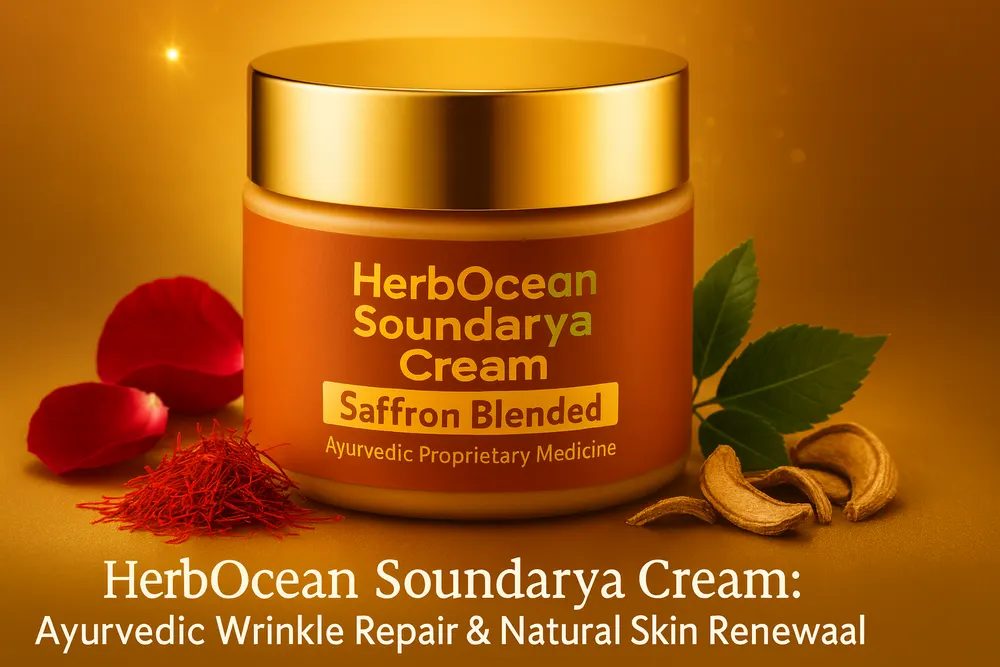
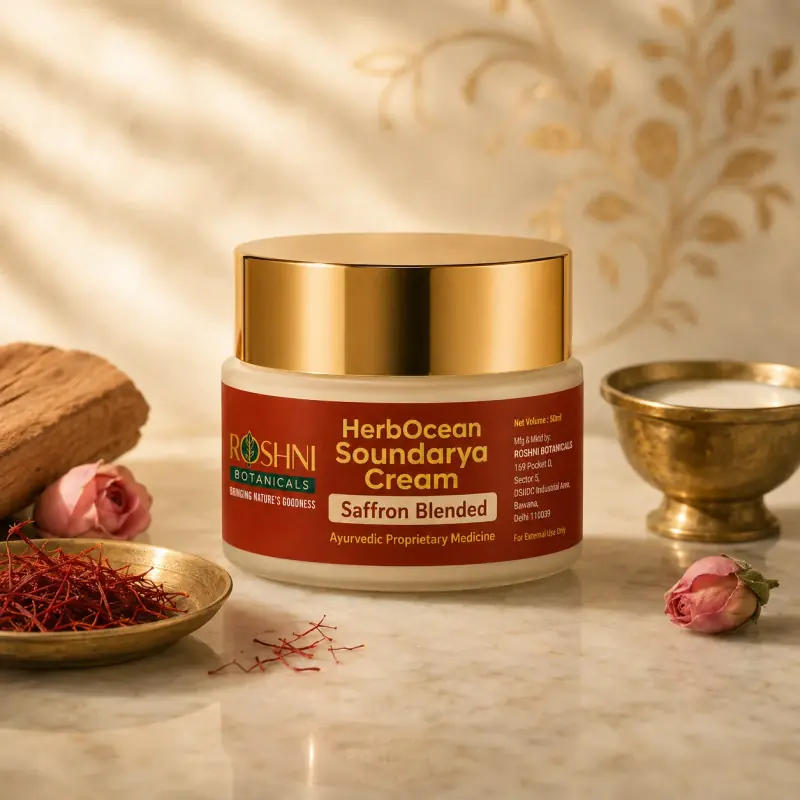
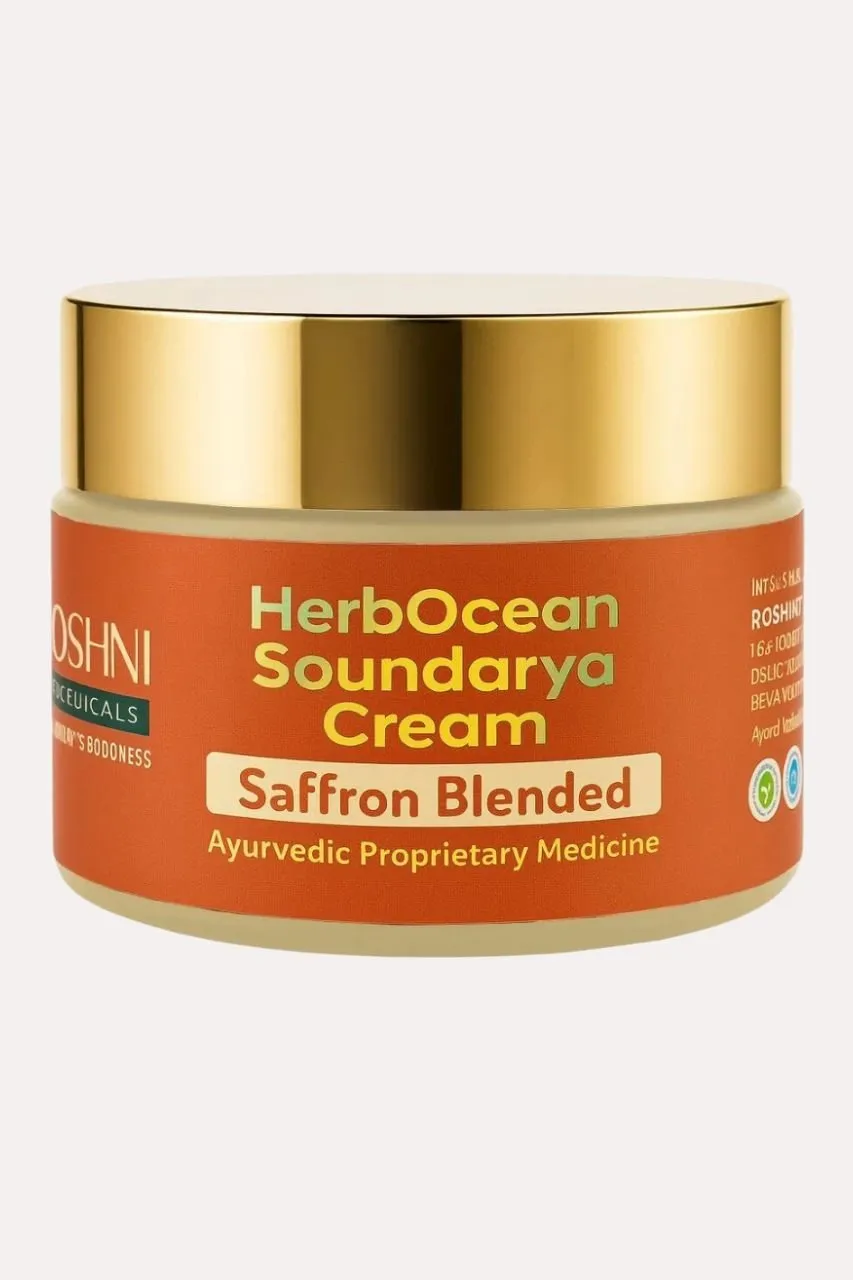
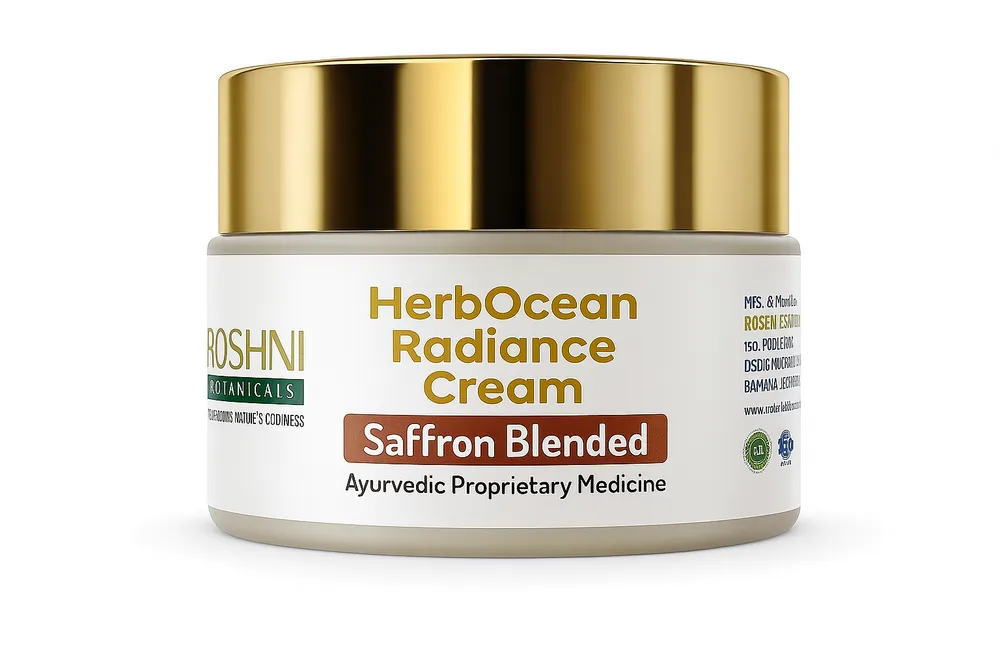
- HerbOcean Soundarya Cream combines saffron with Manjistha, Lodhra, Vetiver, and nourishing butters to repair and brighten skin safely.
- For those wondering “Is saffron better than Vitamin C for glow?” → Saffron is gentler, time-tested, and more suitable for Indian skin tones.
- Works beautifully as a saffron night cream for dull skin and a brightening cream for Indian skin.
πΈ Why Compare Saffron vs Vitamin C?
Walk into any beauty aisle today, and you’ll see Vitamin C serums and creams everywhere. They promise brighter skin, fewer dark spots, and improved glow. But here’s the catch:
- Vitamin C instability: Pure L-ascorbic acid oxidizes quickly, losing potency.
- Skin irritation: Common side effects include tingling, stinging, or even breakouts.
- Photosensitivity: Can increase sun sensitivity if not paired with sunscreen.
Indian skin, being naturally melanin-rich, is prone to pigmentation, tanning, and uneven tone. The question becomes: should we rely on modern Vitamin C serums or turn to Ayurveda’s saffron (kesar), trusted for centuries?
πΌ The Ayurvedic Glow Secret: Saffron (Kesar)
In Ayurveda, saffron has been celebrated as “Kumkumadi’s soul” — the essence that imparts soundarya (beauty). Ancient texts like Charaka Samhita and Ashtanga Hridaya describe it as:
- Varnya (enhancing complexion)
- Raktashodhaka (blood purifier, reducing blemishes)
- Tvachya (skin-beneficial herb)
π Kesar Cream Benefits
- Evens out pigmentation & tanning
- Brightens dull skin and restores natural glow
- Reduces blemishes & scars
- Soothes inflammation and sunburn
- Promotes healthy, youthful skin with natural antioxidants
π§ͺ Saffron vs Vitamin C: A Clear Comparison
|
Feature |
Vitamin C |
Saffron (Kesar) |
|
Skin Brightening |
Potent but harsh on sensitive skin |
Gentle, radiant glow |
|
Antioxidant Action |
Strong, but unstable |
Naturally stable in herbal blends |
|
Pigmentation Control |
Reduces spots, but risk of irritation |
Reduces pigmentation gradually, safely |
|
Stability |
Degrades with heat, light, and air |
Stable in Ayurvedic formulations |
|
Suitability |
Not always suited for Indian skin |
Ideal for Indian skin tones |
|
Backed By |
Modern dermatology |
Ayurveda + modern research |
|
Extra Benefits |
Can dry skin out |
Heals, hydrates, calms |
Verdict: For Indian skin types (from dry to combination to sensitive), saffron-based creams are more adaptable and reliable than unstable Vitamin C serums.
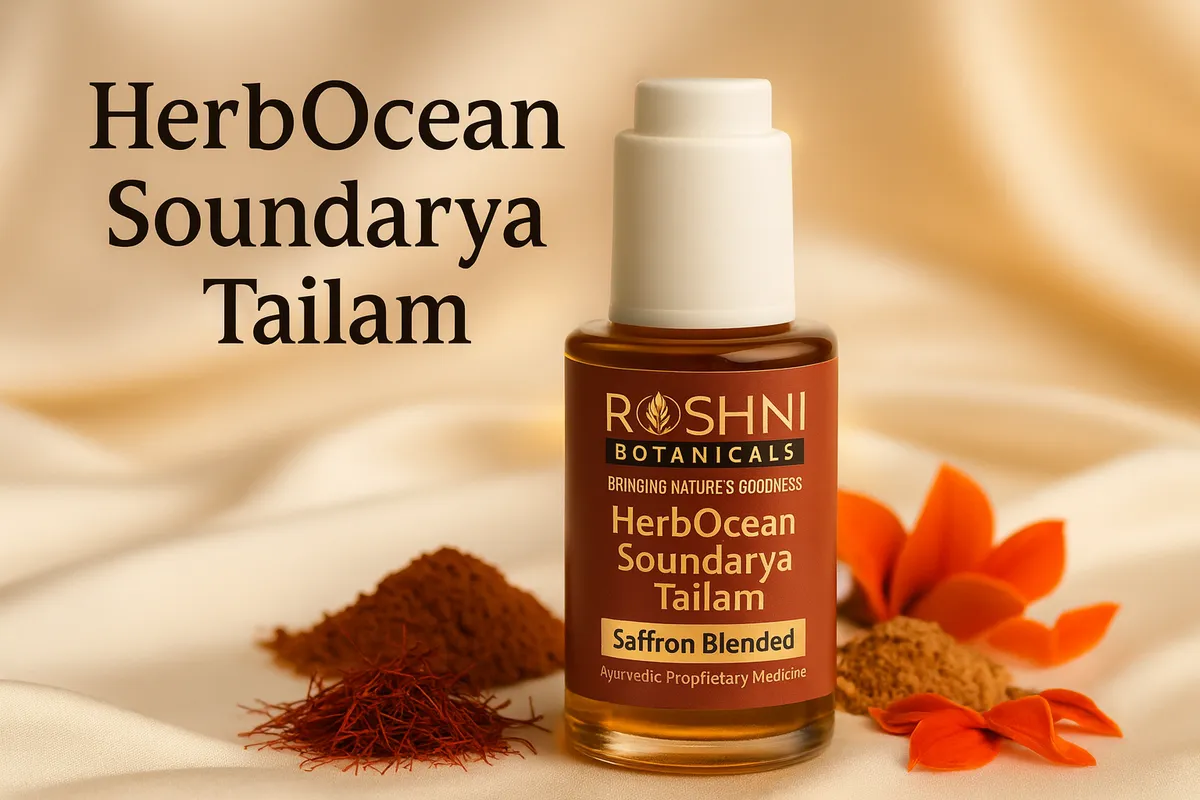
πΊ HerbOcean Soundarya Cream – Ayurvedic Saffron Skin Repair
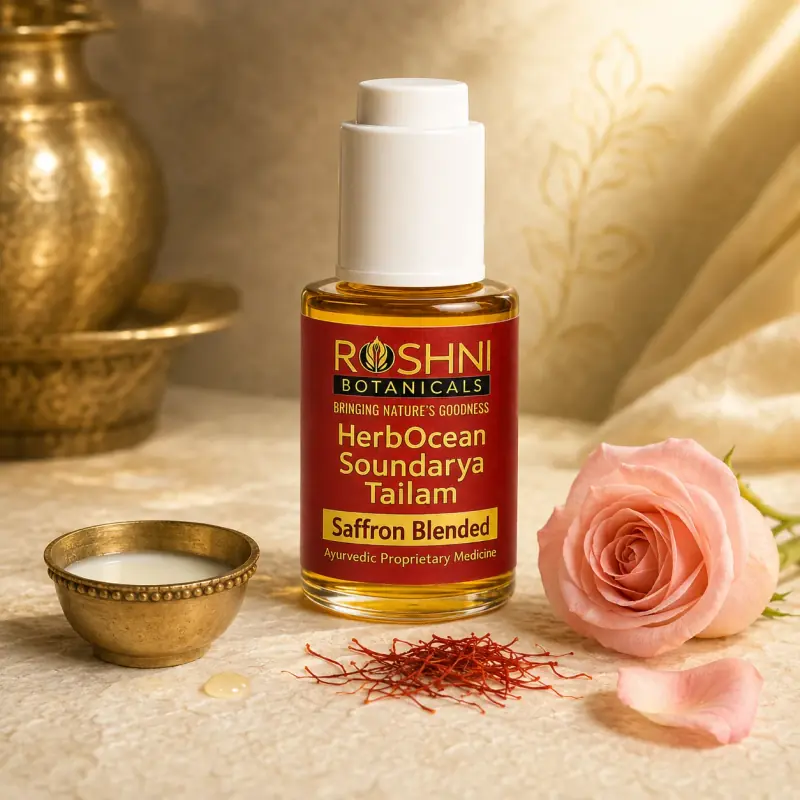
Roshni Botanicals crafted HerbOcean Soundarya Cream as an answer to harsh chemical brighteners. Rooted in Ayurvedic wisdom, it blends saffron with synergistic botanicals that target dullness, pigmentation, and repair.
β¨ Key Ingredients & Benefits
- Saffron (Kesar): Brightens, reduces pigmentation, restores glow
- Manjistha: Clears blemishes, detoxifies skin, improves circulation
- Lodhra: Firms skin, reduces oiliness, soothes inflammation
- Vetiver (Khus): Deep hydration, cooling effect, combats sun damage
- Natural Oils & Butters: Maintain skin barrier, nourish deeply
π Why This Blend Works
Unlike single-ingredient serums, Ayurvedic formulations work through synergy. Saffron brightens, Manjistha detoxifies, Lodhra balances, and Vetiver hydrates — together making the cream effective yet gentle.
π How to Use HerbOcean Soundarya Cream
- As a Night Cream: Apply a thin layer on cleansed skin before bed. Wake up to repaired, radiant skin.
- As a Day Cream: Use after cleansing; layer with sunscreen for daytime protection.
- Consistency Matters: Visible results in 4–6 weeks with regular use.
π‘ Pro Tip: Use as a saffron night cream for dull skin to maximize overnight repair.
π Why Indian Skin Loves Saffron More than Vitamin C
- High melanin content → more prone to pigmentation, tanning, and scarring.
- Climate factors → sun, humidity, and pollution worsen sensitivity.
- Vitamin C drawbacks → irritation, breakouts, and quick oxidation.
- Saffron’s strength → adapts to Indian skin tones with calm, stable, nourishing radiance.
Thus, HerbOcean Soundarya Cream is not just a brightening cream for Indian skin but also a safe repair solution.
π§ͺ Research & Evidence
- Vitamin C: Effective as a brightener but unstable and irritating in some cases (Telang, 2013, Indian Dermatology Online Journal).
- Saffron: Shown to have antioxidant, anti-inflammatory, and complexion-enhancing effects (Khorasani et al., 2018, Journal of Ethnopharmacology).
- Ayurveda: Texts like Charaka Samhita describe saffron for “varna prasΔdana” (enhancing complexion).
β FAQ Section
1. Is saffron better than Vitamin C for glow?
Yes. Saffron offers a gentler, Ayurvedic approach without the harshness Vitamin C can cause.
2. Can saffron cream be used daily?
Yes. Unlike Vitamin C serums that may require patch testing, saffron creams are safe for daily use.
3. How long until results show?
Expect visible brightening within 4–6 weeks of consistent use.
4. Is saffron night cream good for dull skin?
Yes. Saffron works overnight to revive tired, dull skin, making it ideal as a saffron night cream.
5. Does Soundarya Cream suit all skin types?
Yes. Its balanced Ayurvedic formulation suits dry, oily, and combination Indian skin.
π Conclusion
While Vitamin C may have global popularity, it is not always the best choice for Indian skin, which is prone to pigmentation, tanning, and sensitivity.
Saffron (Kesar), as used in HerbOcean Soundarya Cream, provides a gentle, stable, and holistic alternative. With added support from Manjistha, Lodhra, and Vetiver, it not only brightens but also heals and nourishes.
If you are searching for a brightening cream for Indian skin or asking “is saffron better than Vitamin C for glow?” — the answer is clear: saffron wins, especially when rooted in Ayurveda’s timeless wisdom.
π References
- Telang, P. (2013). Vitamin C in dermatology. Indian Dermatology Online Journal, 4(2), 143–146. DOI:10.4103/2229-5178.110593
- Khorasani, A. G., Hosseinzadeh, H., & Mehrzadi, S. (2018). Saffron and skin: Therapeutic and cosmetic applications. Journal of Ethnopharmacology, 227, 152–170. DOI:10.1016/j.jep.2018.09.014
- Charaka Samhita – Ayurvedic text, references to saffron for varna prasΔdana (complexion enhancement).
- Ashtanga Hridaya – classic Ayurvedic text, mentions saffron for skin health.